Commercial Kitchen Floor Coating in Kennewick, WA
Wet, Hot, Greasy, and Inspected
A commercial kitchen is the harshest floor environment we work in and it defeats standard epoxy regularly. Four things happen to that floor daily. It gets wet. It gets hot, from spills and from steam-cleaning. It gets grease, which is a solvent to some resins. And it gets scrubbed with caustic cleaners. The thermal shock alone is what usually breaks a standard epoxy floor, because pouring hot water onto a cold resin floor makes the coating expand faster than the concrete under it and the bond gives way. For that reason the system in a working kitchen is usually urethane cement rather than epoxy. It handles thermal shock, tolerates grease and caustic cleaning, and can be laid thick enough to take the abuse. The second thing that matters is detailing rather than the flat floor. Coved skirting, where the floor turns up the wall as a continuous curve, removes the wall junction that would otherwise let water get behind the floor, and it is the detail most often cut from a cheap quote. Drainage falls need to actually reach the gullies. Slip resistance has to be set for a floor that is wet and greasy, not for a dry one. Restaurant fit-outs around the Columbia Center and Canal Drive areas run to tight programmes, so we work to your closure window.
Kitchen work is scheduled around service, which usually means overnight or a closed day, and urethane cement suits that because it can be walked on relatively quickly. The sequence is survey, deep mechanical preparation, drainage and fall check, coving, the floor system, and slip-rated finish. You receive the system specification, the coving and drainage detail, the slip rating achieved, and a cleaning regime, because the wrong cleaner will shorten the life of any kitchen floor regardless of what it cost.
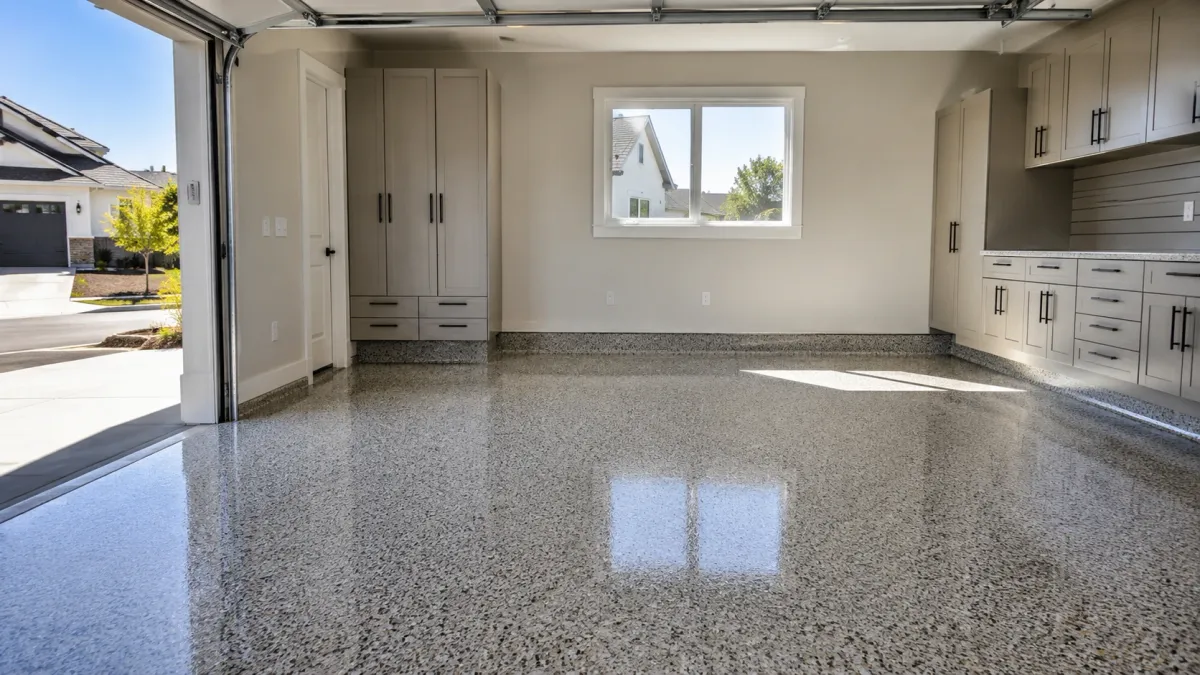
What's Included in our Commercial Kitchen Floor Coating service?
Coved Skirting Detail
Turns the floor up the wall so there is no joint for water to enter.
Slip Resistance for Wet Areas
Sets aggregate level against a floor that is wet and greasy in use.
Overnight and Closed-Day Installation
Works to the kitchen's closure window so service is not interrupted.
Proudly serving Kennewick, Richland, Pasco, West Richland, Finley and Burbank and Benton City for 9+ years.
Comprehensive Epoxy Flooring Services in Kennewick
Tailored to Your Needs
Ten services, from a single-bay garage coating to a warehouse slab or a winery crush pad. Each one starts the same way, by reading the concrete and establishing what it actually needs, then choosing the system that matches the traffic, the exposure, and the schedule the building runs on.
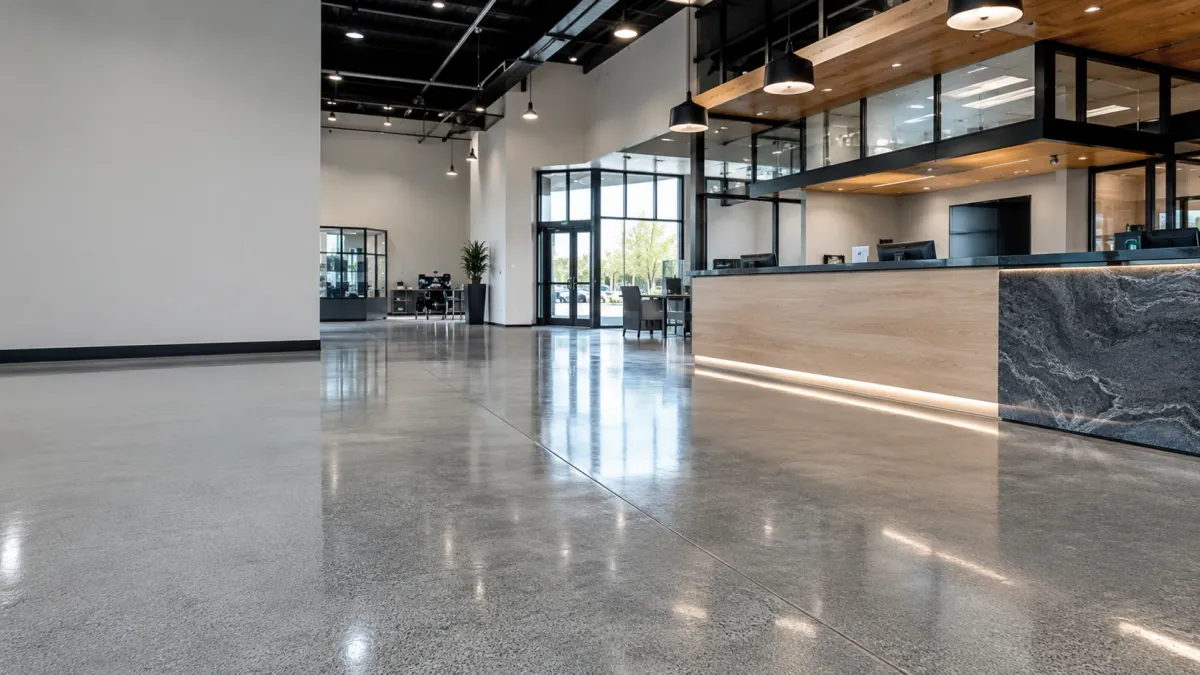
A commercial coating specification set by traffic, chemical exposure, and the hours the building runs.
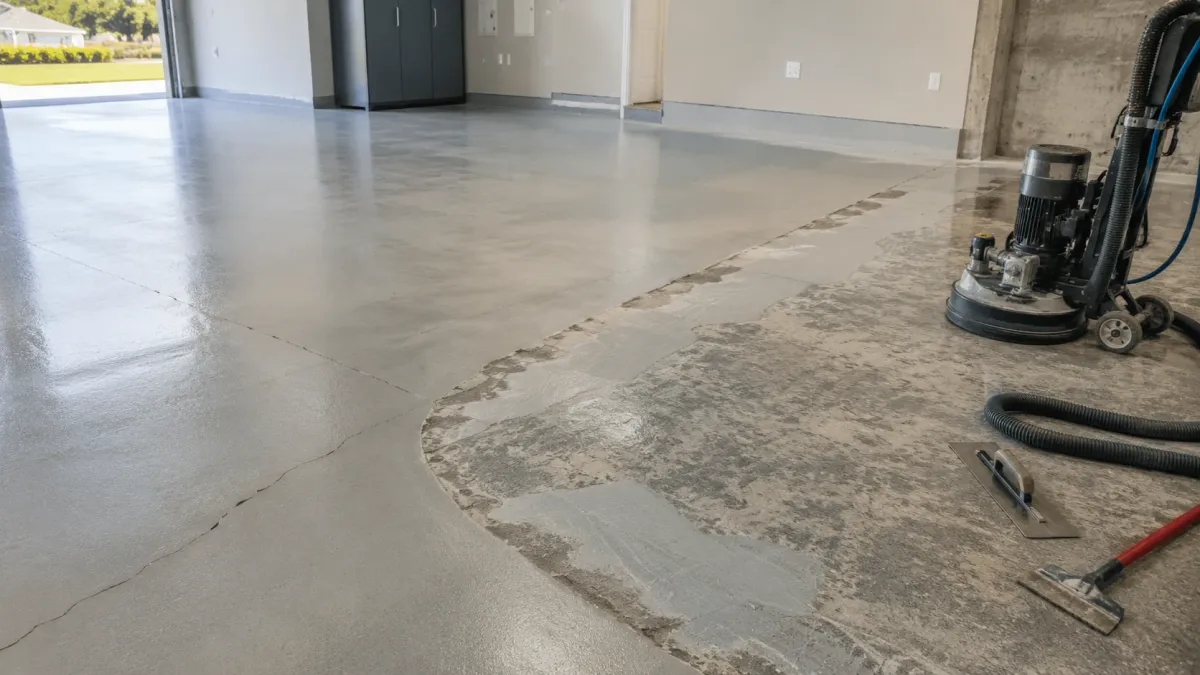
Repair work that first establishes why the existing coating failed, then fixes that cause.
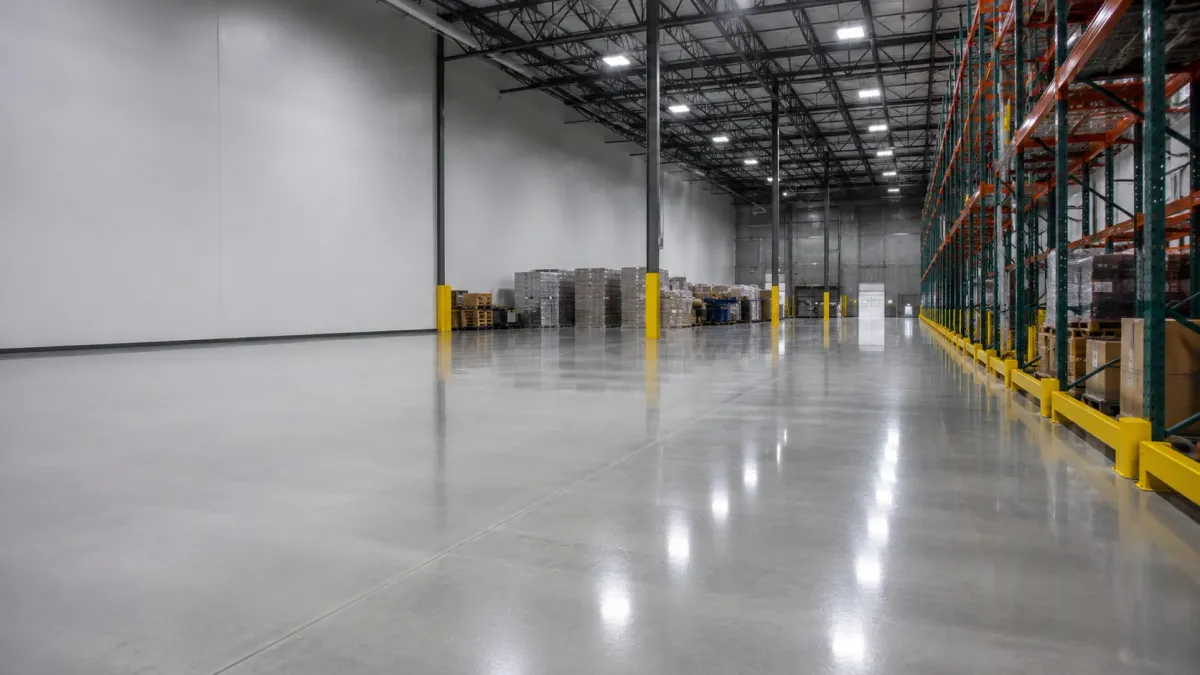
Industrial floor systems specified around wheel loading, joint movement, and washdown exposure.
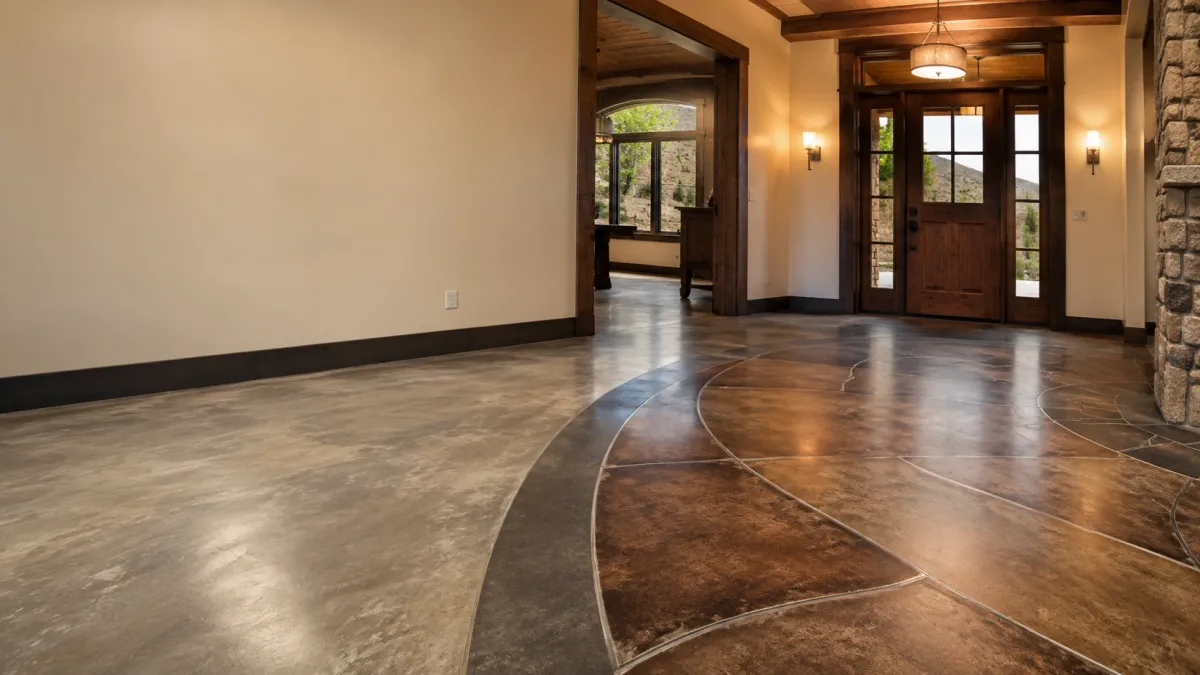
Decorative finishes chosen against slab condition, because the concrete limits what is achievable.
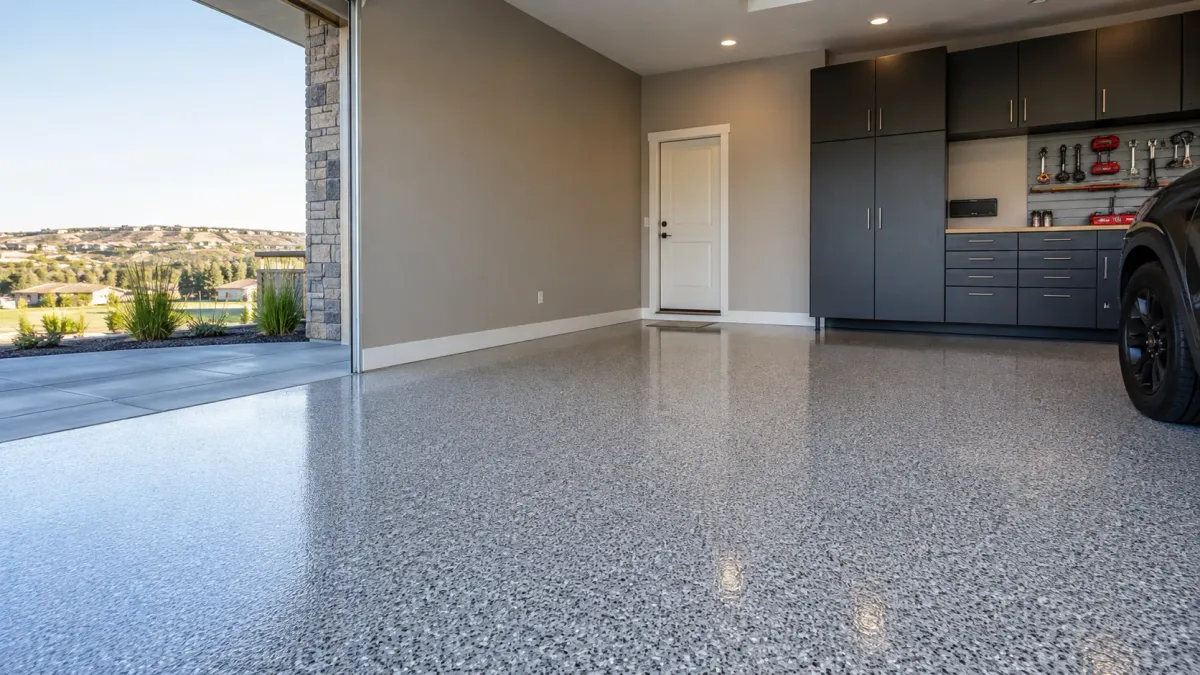
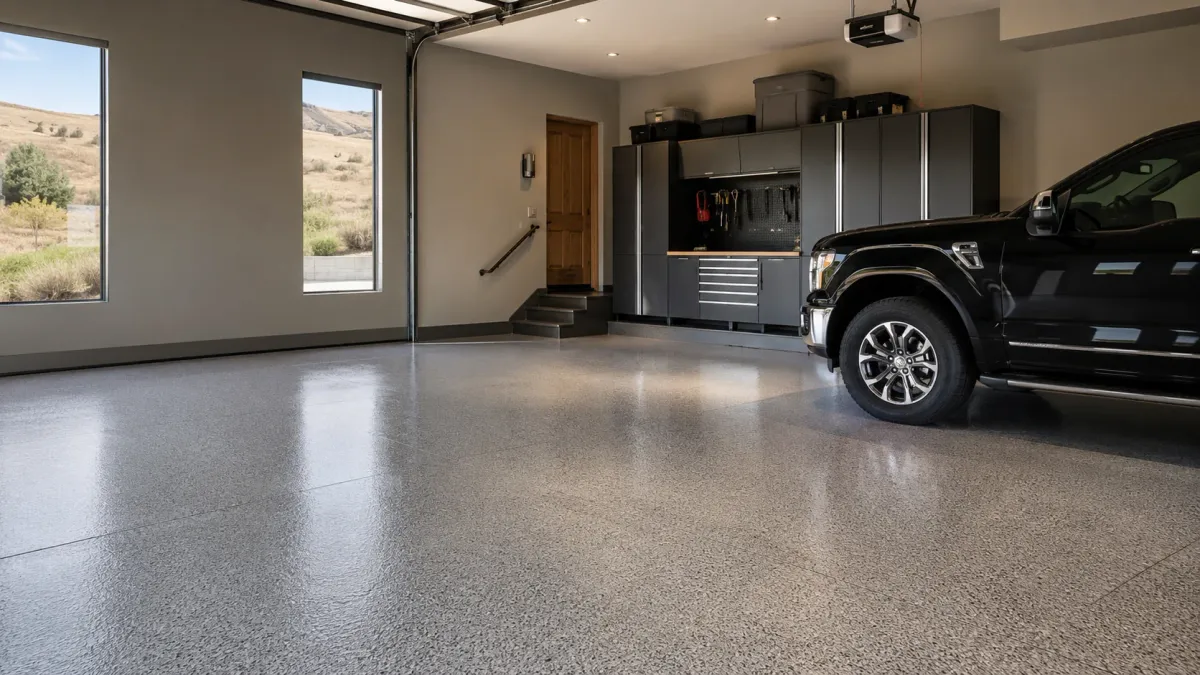
A garage system specified against hot-tire pickup, UV exposure, and slab moisture.
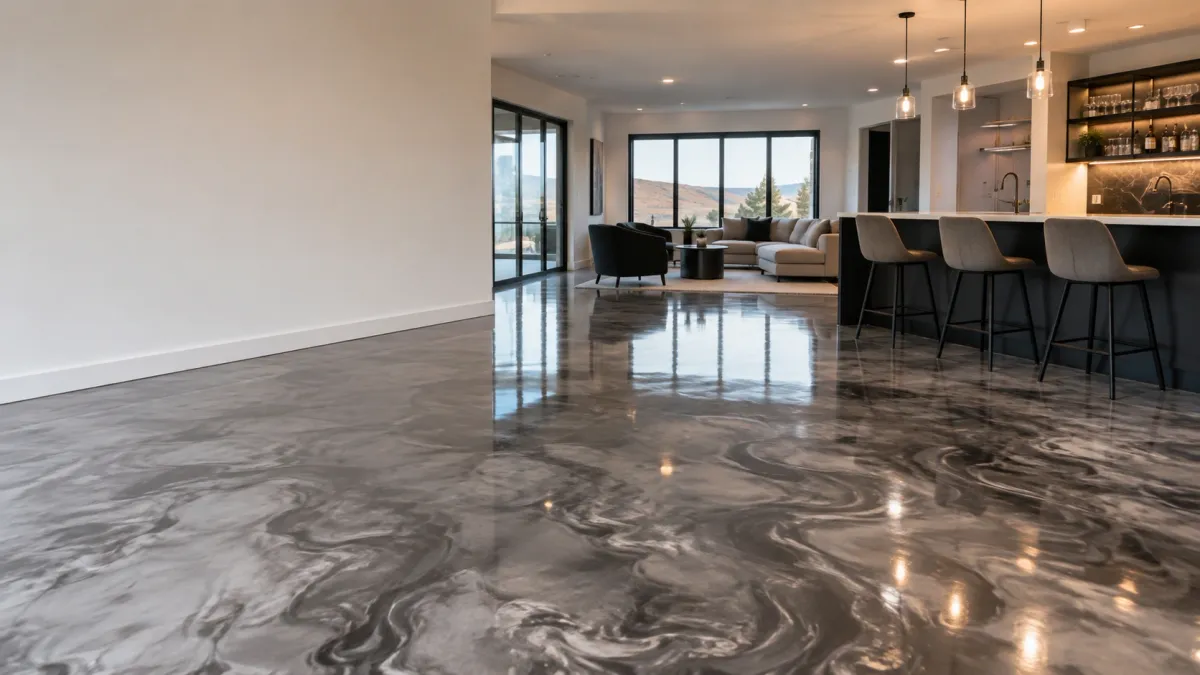
A poured metallic finish where slab flatness and installer technique set the outcome.
A fast-curing topcoat that holds colour under UV and returns a floor to service quickly.
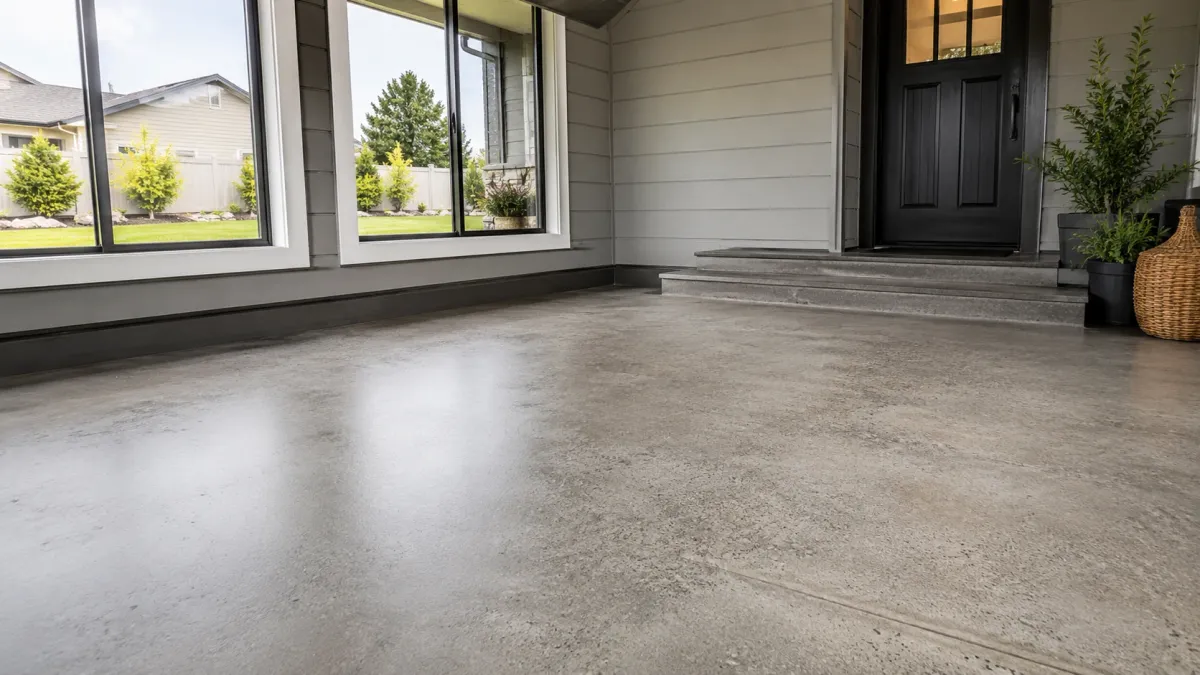
A new wearing surface bonded to a slab that is structurally sound but visually finished.
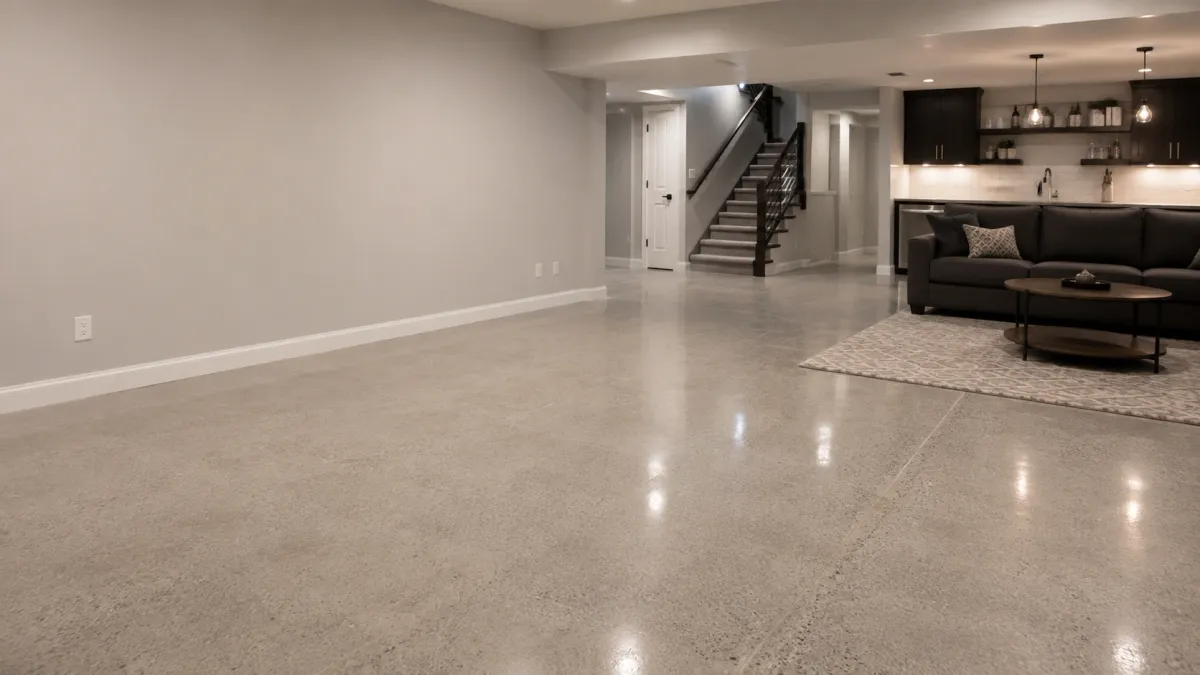
A below-grade floor system chosen after moisture testing, because vapor pressure governs it.
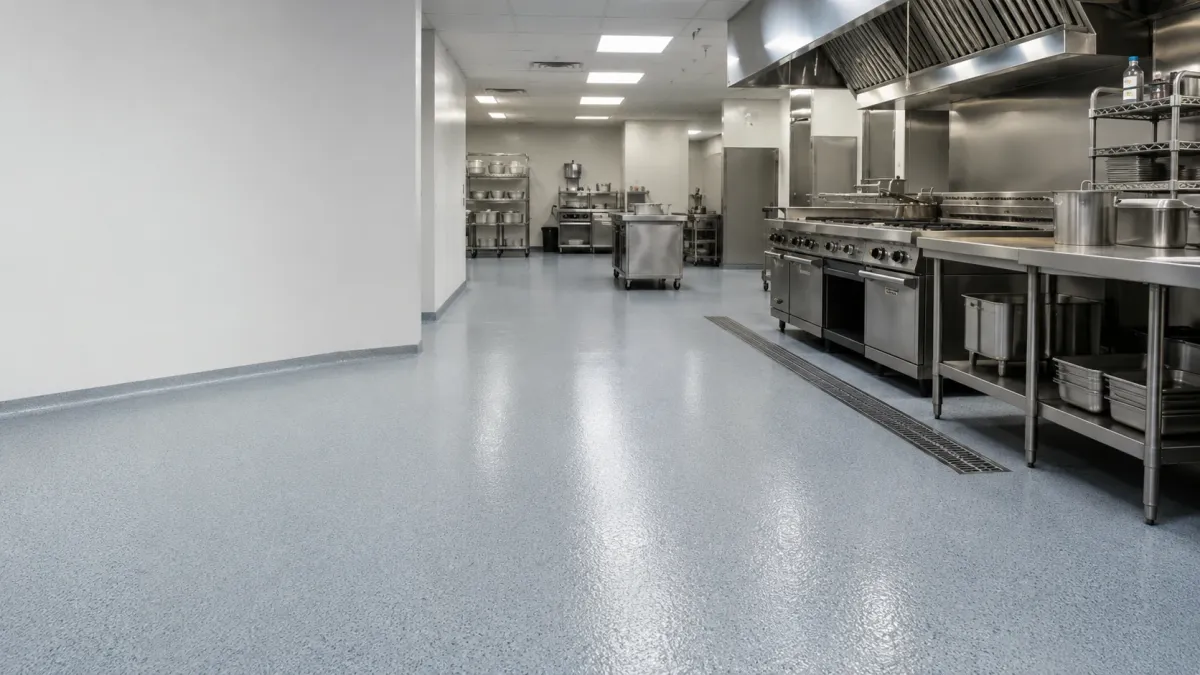
A washdown-rated floor system with coved detailing and slip resistance set to a wet kitchen.
Where We Work Across Benton and Franklin Counties
Concrete floor coatings for Kennewick homes, shops, and commercial buildings
Kennewick is the base, and the crew works out to Richland, Pasco, West Richland, Finley, Burbank, and Benton City. Permit paths, electric utilities, and housing stock all change across those lines, so each community gets its own page rather than a shared one.
Frequently Asked Questions
Epoxy Flooring can be complex, and we’re here to provide answers to common questions. Here are some frequently asked questions from our clients.
Frequently Asked Questions about epoxy flooring Kennewick WA
How much does epoxy flooring cost in Kennewick, WA?
There is no single price for an epoxy floor in Kennewick. Cost follows the square footage, the condition of the slab underneath, how much crack and joint repair the concrete needs first, and which coating system the room actually calls for. A clean two-car garage and a warehouse slab with spalling and old coating residue are not comparable jobs. We measure and test the floor, then price the scope we found.
Can epoxy floors be installed year-round in Kennewick?
Yes, with the caveat that the slab temperature governs the schedule, not the calendar. Kennewick winters run cold enough that an unheated garage slab can sit below the cure range for the coating, which either slows the cure or stops it. Summer heat does the opposite and shortens working time. We check slab temperature and dew point on the day, and in cold months we either heat the space or move to a system rated for lower temperatures.
How do I maintain an epoxy floor?
Sweep or dust-mop grit off regularly, because the Columbia Basin sends a lot of fine dust indoors and grit under a tire or a pallet jack is what actually scratches a coating. Wash with a neutral-pH cleaner rather than a degreaser. Avoid dragging steel across the surface, and put a mat under any vehicle that gets driven in hot. A garage floor treated this way stays serviceable for many years before it needs a recoat.
What is the best floor coating for a Kennewick garage?
For most Kennewick garages the answer is a ground and primed slab with an epoxy build coat and a polyaspartic or polyurea topcoat. That combination handles hot-tire pickup, resists the UV that comes through an open overhead door, and cures fast enough to return the space to service quickly. A single-coat epoxy is cheaper and will do in a low-traffic bay. Which one suits your garage depends on what you park and how much sun the door lets in.
What are the types of epoxy flooring?
The common systems are solid-color epoxy, flake or chip broadcast systems, quartz broadcast, metallic epoxy, and self-leveling epoxy. Above those sit polyaspartic and polyurea topcoats and, for wet commercial rooms, urethane cement. They differ in thickness, slip resistance, chemical resistance, and how much of the slab beneath they hide. The room decides which one fits, not the sample board.
How long does epoxy flooring last in a garage?
A properly prepared garage floor coating commonly lasts many years before it needs attention, and the deciding factor is almost always the preparation rather than the product. Coatings that fail early usually failed at the bond line because the slab was etched rather than ground, or because moisture was still moving up through the concrete. Traffic, hot tires, and how much direct sun the floor takes then set the pace of ordinary wear.
Frequently Asked Questions about Commercial Kitchen Floor Coating
Why not just use epoxy in a commercial kitchen?
Thermal shock. When hot water or steam hits a cool epoxy floor, the coating expands faster than the concrete beneath it and the bond fails. Grease and caustic cleaners attack it as well. Urethane cement tolerates all three, which is why it is the standard specification for a working kitchen even though it costs more upfront.
What is coved skirting and do we need it?
It is where the floor system curves up the wall for a few inches instead of stopping at a joint. That joint is exactly where washdown water gets behind the floor and where debris collects. In a kitchen being cleaned daily with hoses, coving is the difference between a floor that lasts and one that fails from the edges inward.
How slip resistant will the kitchen floor be?
We set the aggregate for a floor that is wet and greasy in use rather than dry, which means more texture than a retail floor would take. There is a balance to strike, since more texture is safer underfoot but harder to clean. We agree the level with you against how the kitchen actually runs before specifying it.
Can the kitchen floor be done without closing?
We work to your closure window, which for most kitchens means overnight or a scheduled closed day. Urethane cement suits that because it can take foot traffic relatively soon after laying. For a larger kitchen we section the floor and work through it across several closures rather than asking you to shut for a week.
Specify Your Kennewick Kitchen Floor
What Our Satisfied Clients Have to Say About Kennewick Epoxy Flooring
We pride ourselves on delivering great results and experiences for each client. Hear directly from home and business owners who’ve trusted us with their Epoxy Flooring needs.
The Trusted Epoxy Flooring Expert Near You
Ready to hear more about expert services at Kennewick Epoxy Flooring?
Contact us today to receive a detailed, no-obligation quote.
Serving Canyon Lakes, Southridge, Creekstone, Hansen Park, West Highlands, Metaline & Greater Kennewick
Mon–Fri 8AM–5PM | Sat 9AM–2PM | Sun Closed


