Garage Floor Coating in Kennewick, WA
Hot Tires, Winter Salt, and an Open South-Facing Door
A Kennewick garage floor has three things working against a coating and hot-tire pickup is the first. A tire that has been on the road in summer heat comes into the garage warm, sits on the coating, and as it cools it grips. If the bond between coating and concrete is weaker than that grip, the coating lifts in a circle exactly the size of the tire. This is the single most common failure we are called out to, and it is a preparation failure rather than a product one. The fix is mechanical grinding to open the concrete, correct priming, and a topcoat chemistry that stays hard. The second problem is ultraviolet light. A south-facing overhead door left open through a Kennewick summer puts a lot of direct sun on the front third of the slab, and standard epoxy ambers and chalks under it. A polyaspartic or polyurea topcoat holds its colour where epoxy alone will not. The third is moisture. Garage slabs poured without a vapor barrier, which is common in older Kennewick housing, keep pushing vapor upward, and that pressure blisters a coating from below. We test for it rather than assuming, because the test is quick and the failure is not repairable without lifting the floor.
A typical garage runs as a two-day sequence. Day one is grinding, crack and spall repair, priming, base coat, and flake broadcast. Day two is scraping back the loose flake and applying the topcoat. You get foot traffic the following day and vehicle traffic several days after that, and we give you both dates before starting rather than at the end. You receive the moisture reading, the prep method, the system build, and the flake blend used, so a future repair can be matched.
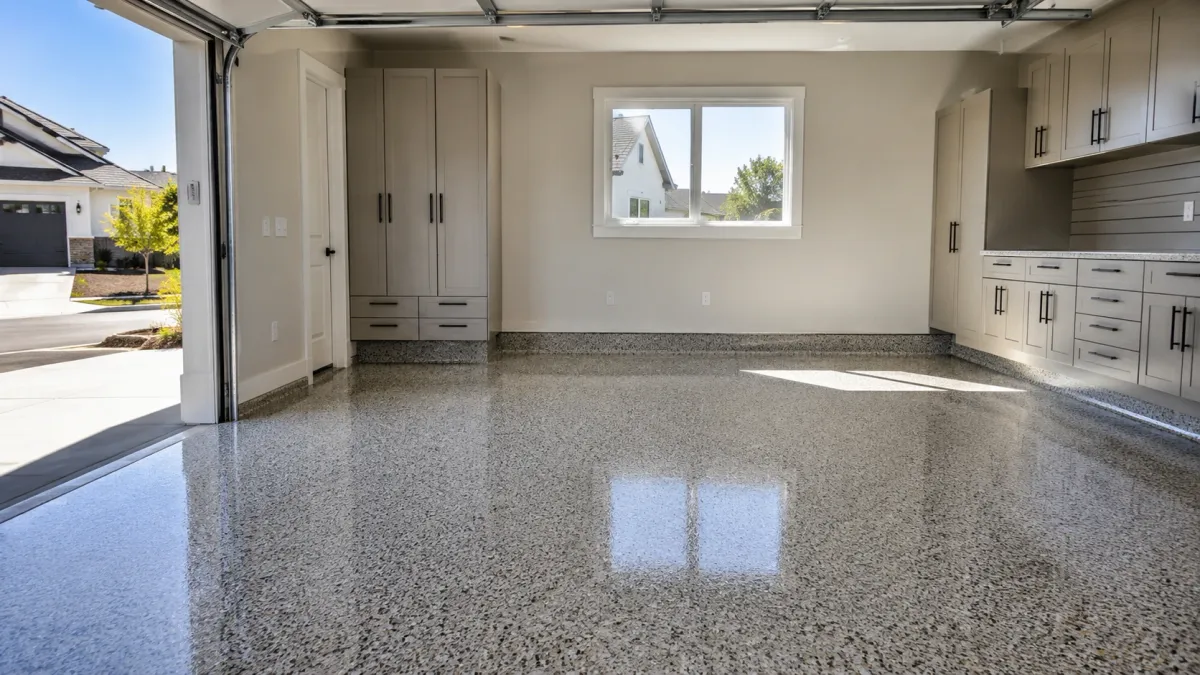
What's Included in our Garage Floor Coating service?
Diamond Grinding and Moisture Test
Opens the slab mechanically and confirms it is dry enough to bond.
Hot-Tire Resistant Build
Specifies a bond and topcoat that will not lift under a warm tire.
Flake Broadcast and Topcoat
Adds walkable texture and the UV stability an open door demands.
Proudly serving Kennewick, Richland, Pasco, West Richland, Finley and Burbank and Benton City for 9+ years.
Comprehensive Epoxy Flooring Services in Kennewick
Tailored to Your Needs
Ten services, from a single-bay garage coating to a warehouse slab or a winery crush pad. Each one starts the same way, by reading the concrete and establishing what it actually needs, then choosing the system that matches the traffic, the exposure, and the schedule the building runs on.
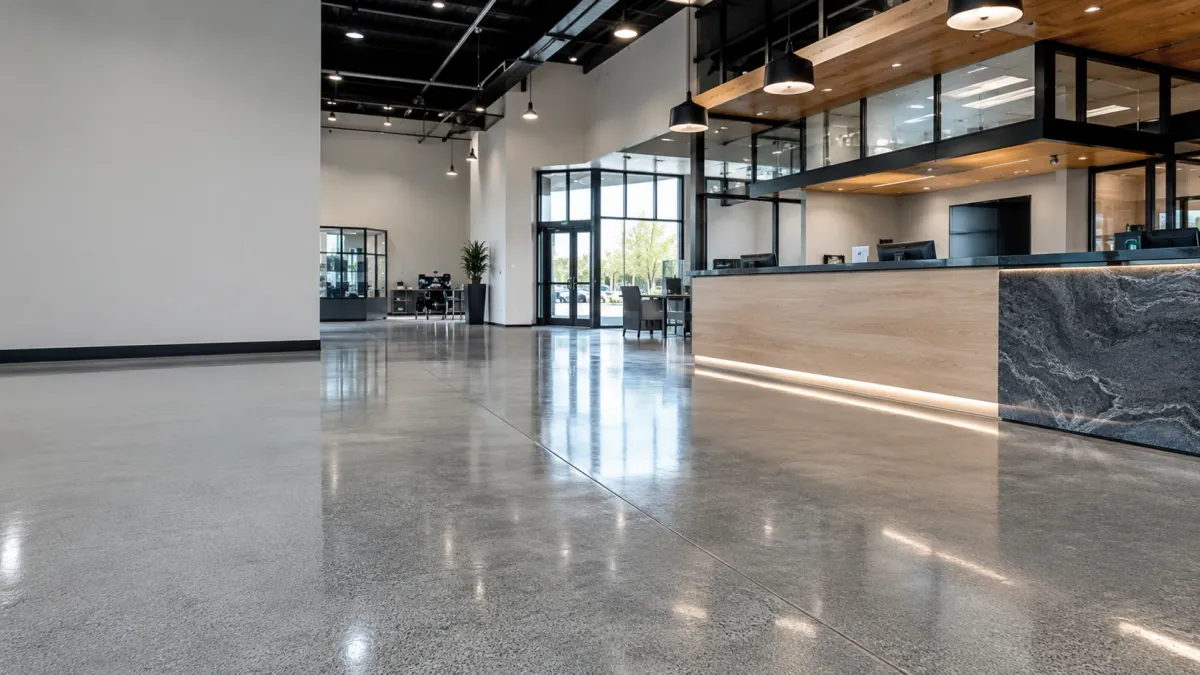
A commercial coating specification set by traffic, chemical exposure, and the hours the building runs.
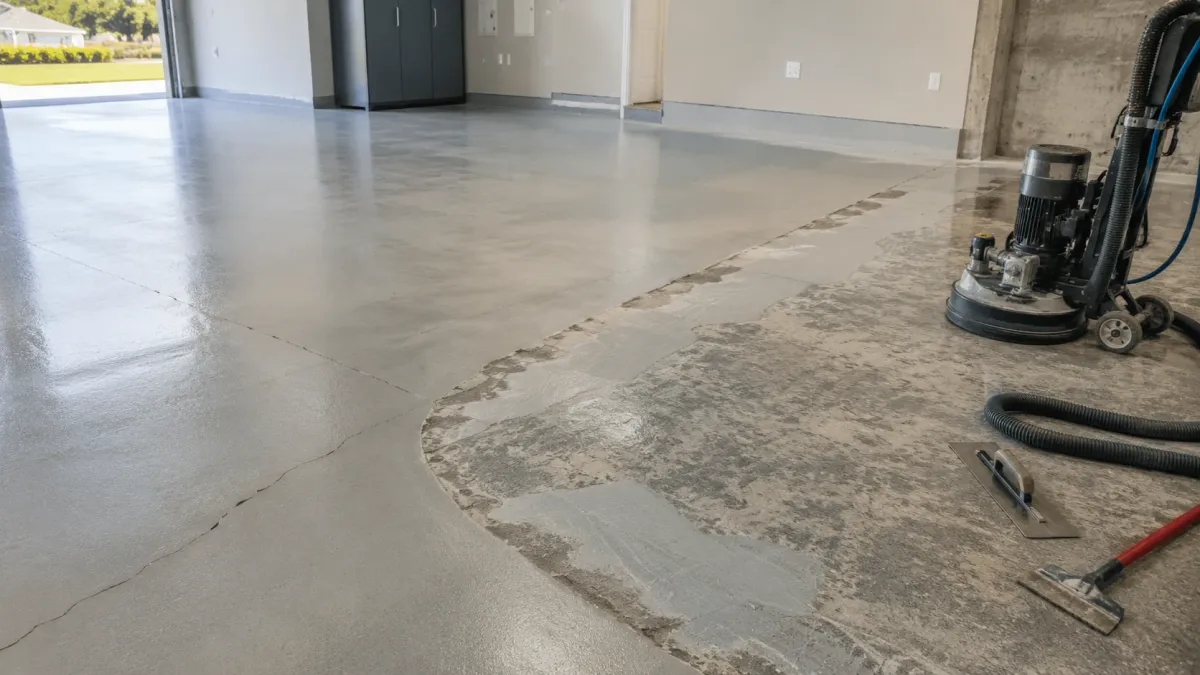
Repair work that first establishes why the existing coating failed, then fixes that cause.
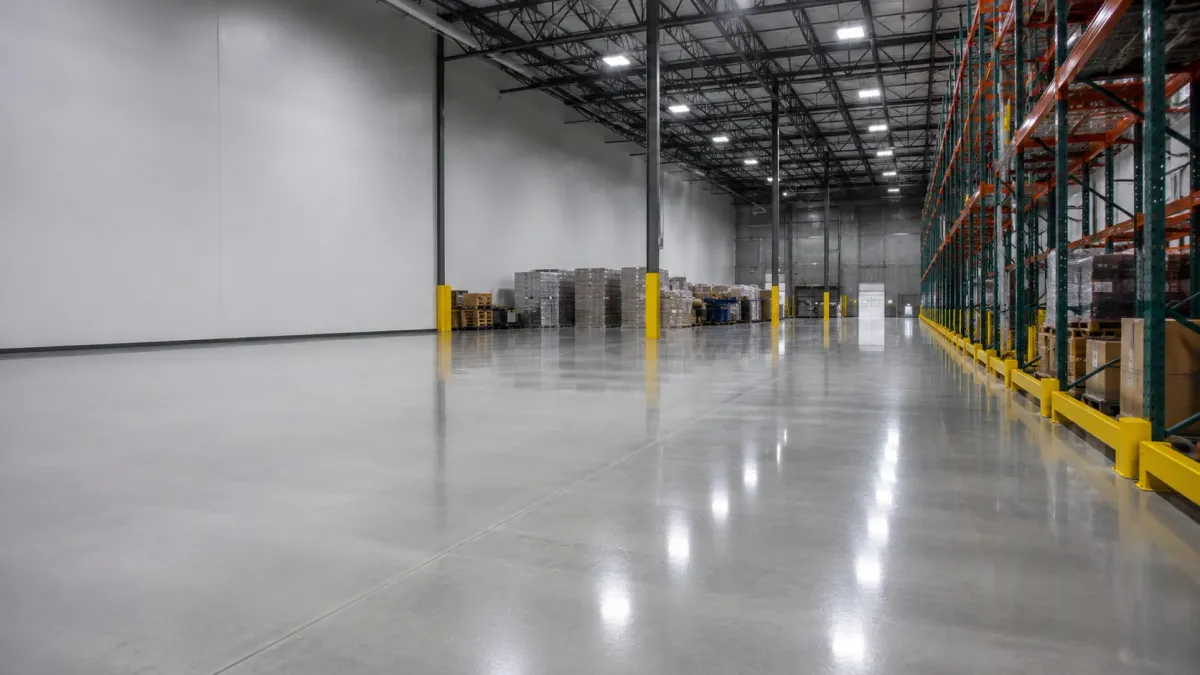
Industrial floor systems specified around wheel loading, joint movement, and washdown exposure.
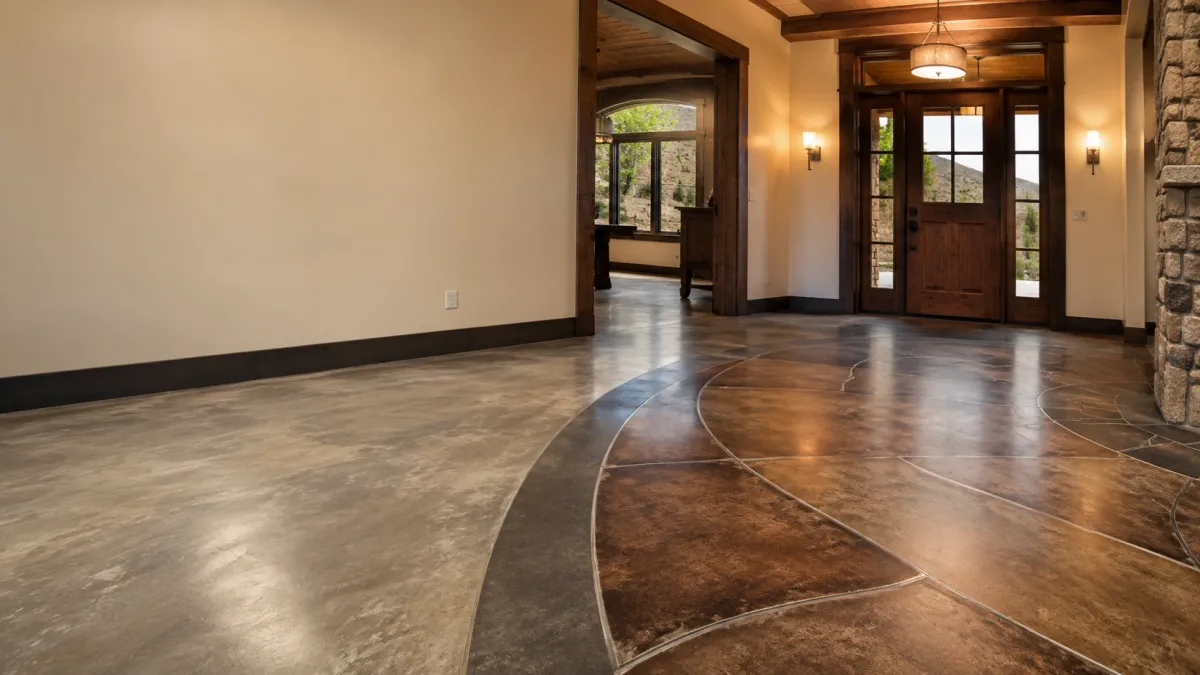
Decorative finishes chosen against slab condition, because the concrete limits what is achievable.
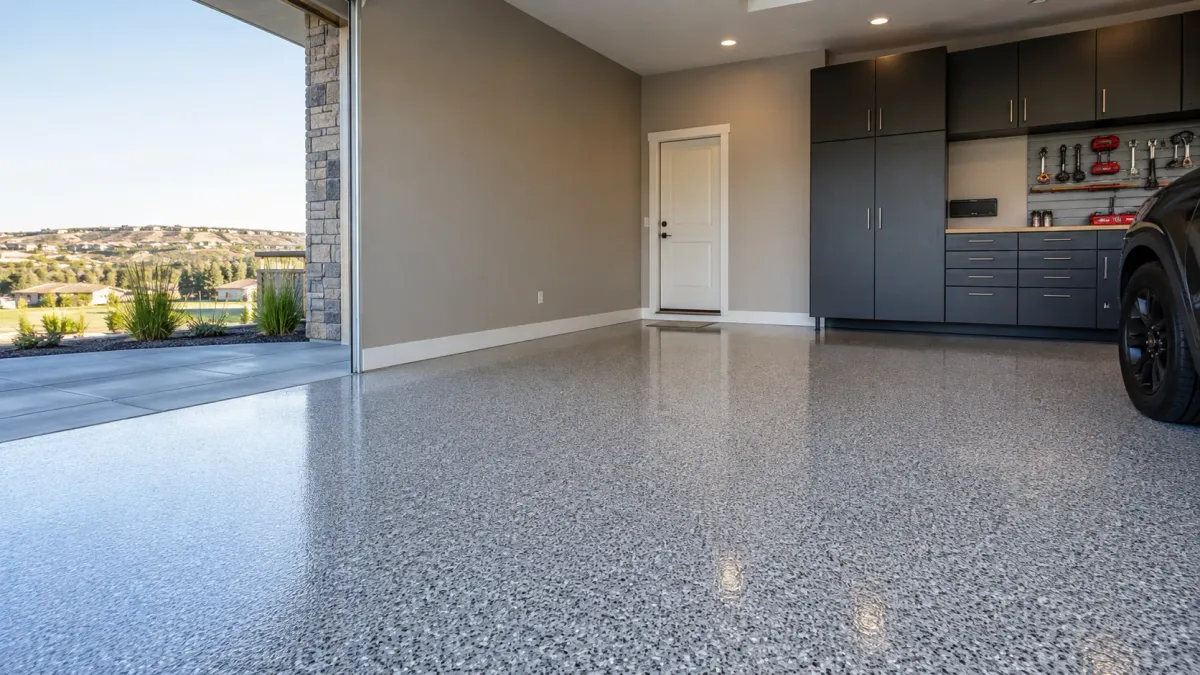
A garage system specified against hot-tire pickup, UV exposure, and slab moisture.
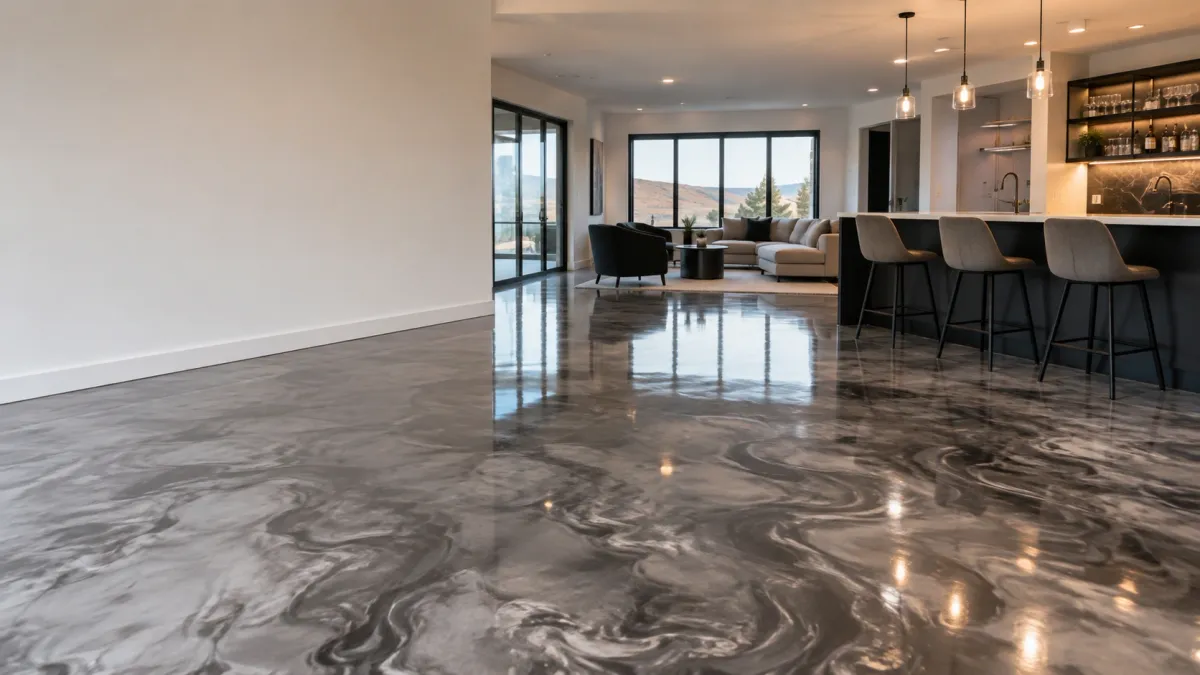
A poured metallic finish where slab flatness and installer technique set the outcome.
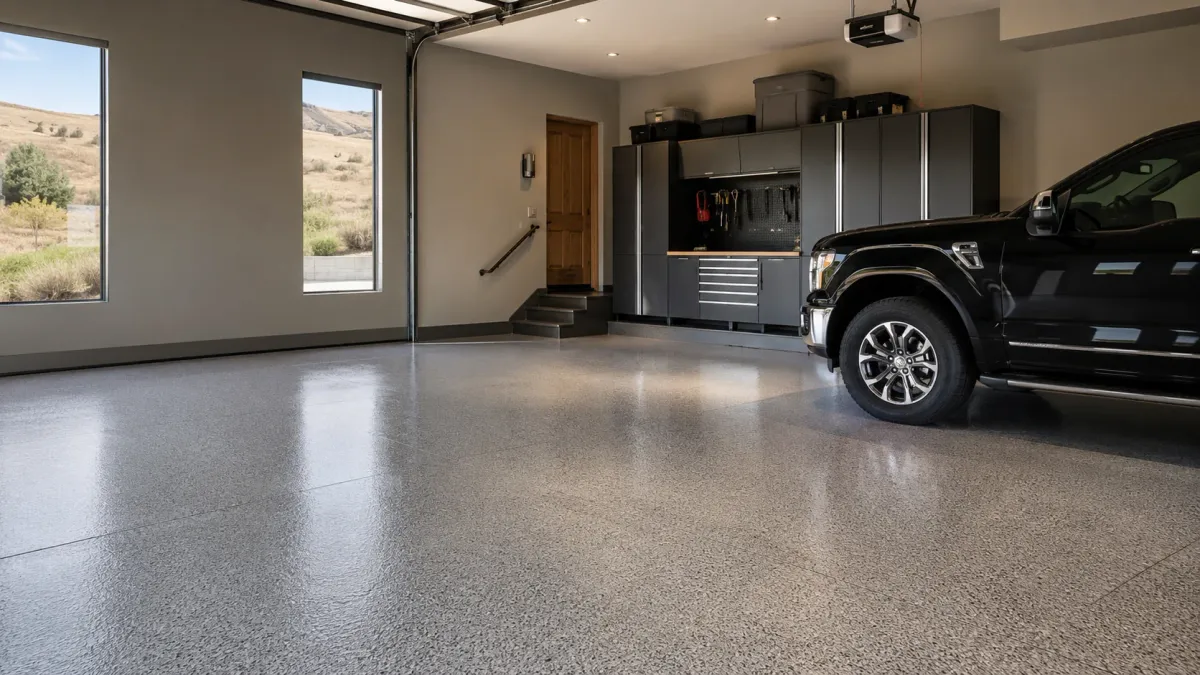
A fast-curing topcoat that holds colour under UV and returns a floor to service quickly.
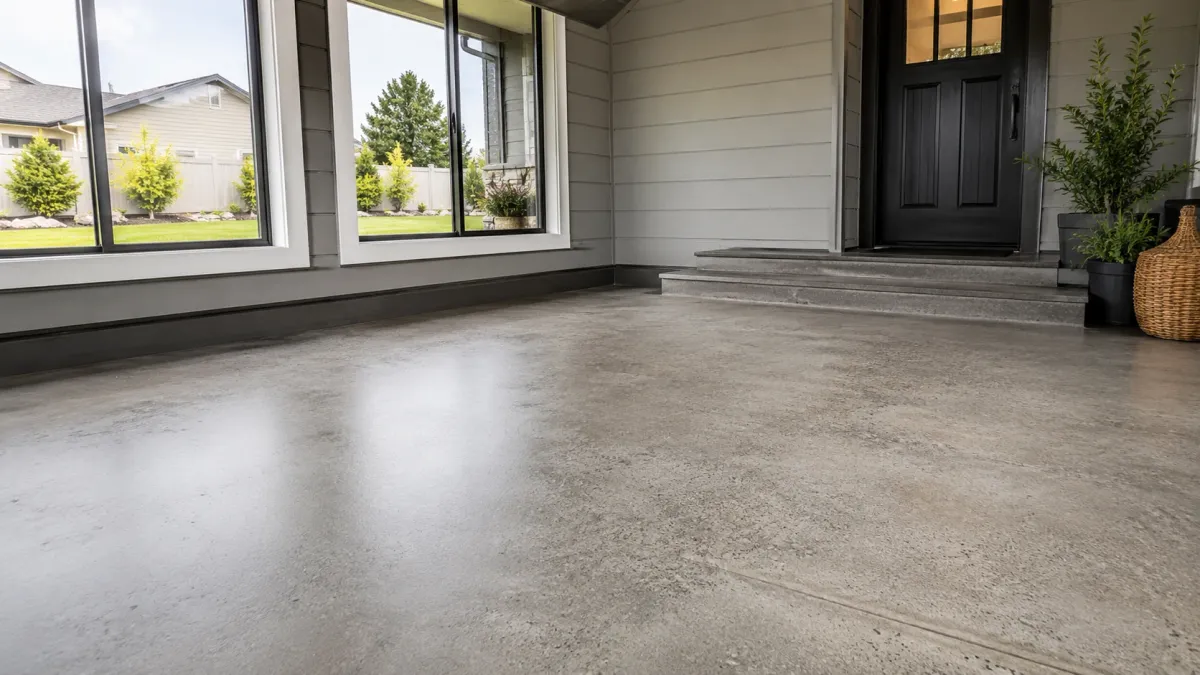
A new wearing surface bonded to a slab that is structurally sound but visually finished.
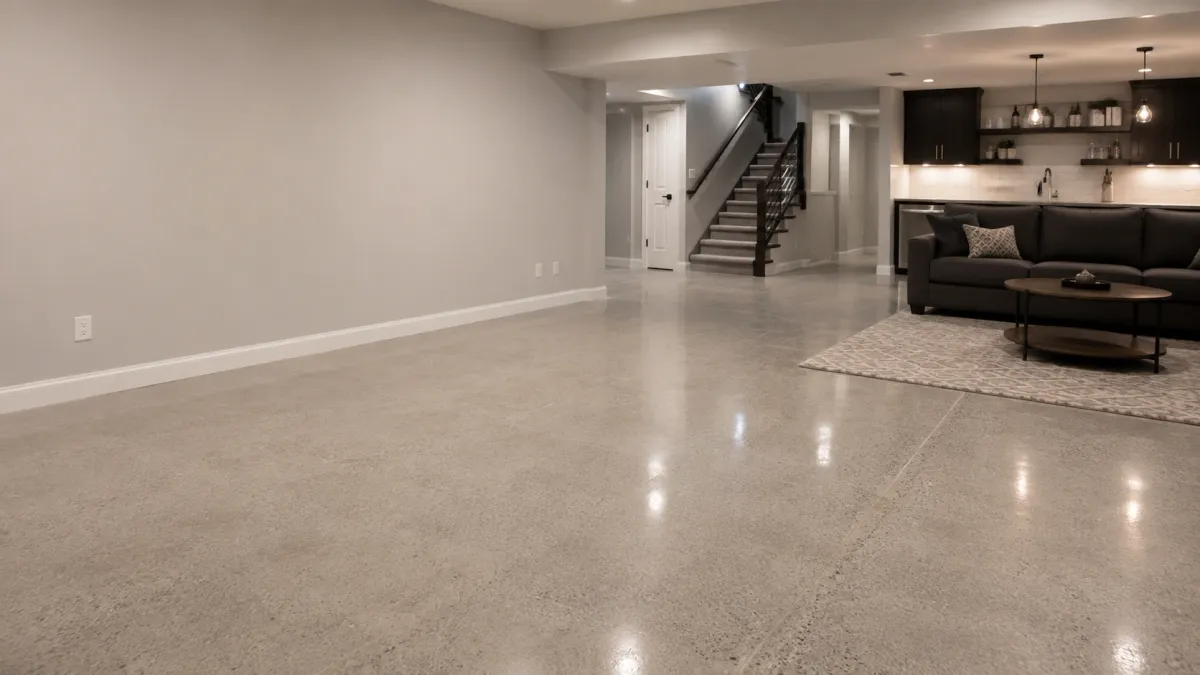
A below-grade floor system chosen after moisture testing, because vapor pressure governs it.
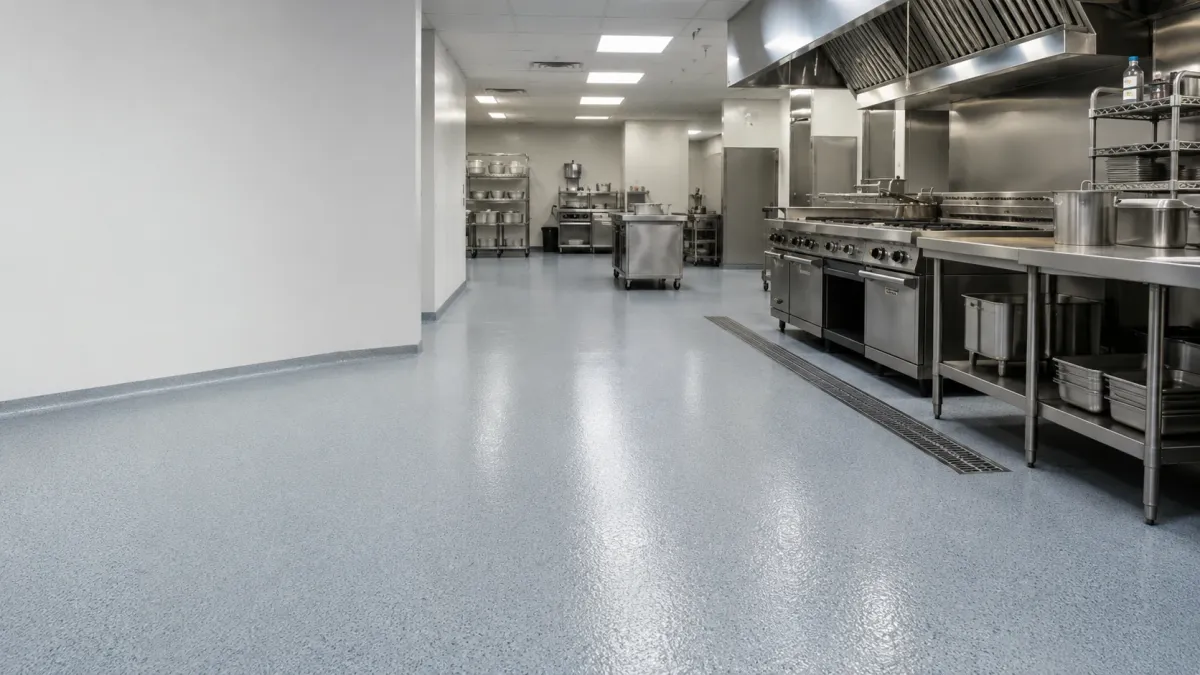
A washdown-rated floor system with coved detailing and slip resistance set to a wet kitchen.
Where We Work Across Benton and Franklin Counties
Concrete floor coatings for Kennewick homes, shops, and commercial buildings
Kennewick is the base, and the crew works out to Richland, Pasco, West Richland, Finley, Burbank, and Benton City. Permit paths, electric utilities, and housing stock all change across those lines, so each community gets its own page rather than a shared one.
Frequently Asked Questions
Epoxy Flooring can be complex, and we’re here to provide answers to common questions. Here are some frequently asked questions from our clients.
Frequently Asked Questions about epoxy flooring Kennewick WA
How much does epoxy flooring cost in Kennewick, WA?
There is no single price for an epoxy floor in Kennewick. Cost follows the square footage, the condition of the slab underneath, how much crack and joint repair the concrete needs first, and which coating system the room actually calls for. A clean two-car garage and a warehouse slab with spalling and old coating residue are not comparable jobs. We measure and test the floor, then price the scope we found.
Can epoxy floors be installed year-round in Kennewick?
Yes, with the caveat that the slab temperature governs the schedule, not the calendar. Kennewick winters run cold enough that an unheated garage slab can sit below the cure range for the coating, which either slows the cure or stops it. Summer heat does the opposite and shortens working time. We check slab temperature and dew point on the day, and in cold months we either heat the space or move to a system rated for lower temperatures.
How do I maintain an epoxy floor?
Sweep or dust-mop grit off regularly, because the Columbia Basin sends a lot of fine dust indoors and grit under a tire or a pallet jack is what actually scratches a coating. Wash with a neutral-pH cleaner rather than a degreaser. Avoid dragging steel across the surface, and put a mat under any vehicle that gets driven in hot. A garage floor treated this way stays serviceable for many years before it needs a recoat.
What is the best floor coating for a Kennewick garage?
For most Kennewick garages the answer is a ground and primed slab with an epoxy build coat and a polyaspartic or polyurea topcoat. That combination handles hot-tire pickup, resists the UV that comes through an open overhead door, and cures fast enough to return the space to service quickly. A single-coat epoxy is cheaper and will do in a low-traffic bay. Which one suits your garage depends on what you park and how much sun the door lets in.
What are the types of epoxy flooring?
The common systems are solid-color epoxy, flake or chip broadcast systems, quartz broadcast, metallic epoxy, and self-leveling epoxy. Above those sit polyaspartic and polyurea topcoats and, for wet commercial rooms, urethane cement. They differ in thickness, slip resistance, chemical resistance, and how much of the slab beneath they hide. The room decides which one fits, not the sample board.
How long does epoxy flooring last in a garage?
A properly prepared garage floor coating commonly lasts many years before it needs attention, and the deciding factor is almost always the preparation rather than the product. Coatings that fail early usually failed at the bond line because the slab was etched rather than ground, or because moisture was still moving up through the concrete. Traffic, hot tires, and how much direct sun the floor takes then set the pace of ordinary wear.
Frequently Asked Questions about Garage Floor Coating
How much does garage floor epoxy cost?
Garage pricing follows the square footage, how much crack and spall repair the slab needs, and which system the door exposure and traffic call for. A sound two-car slab taking a single-colour coat and an older slab needing repair before a flake and polyaspartic build are different jobs. We measure and moisture test, then price what we found.
How long does garage floor epoxy take to install?
Most Kennewick garages are a two-day installation, with grinding, repair, and the base coat on the first day and the topcoat on the second. Return to service is staged after that: foot traffic within about a day of the topcoat, vehicles several days later. Cold weather lengthens both, which is why we check slab temperature before setting dates.
Will hot tires lift the coating?
Not if the slab was ground rather than etched and the topcoat chemistry is right. Hot-tire pickup is a bond failure, and it happens when a coating was laid over a closed or contaminated surface. We grind every garage mechanically to open the concrete, and we specify a topcoat that stays hard rather than softening in summer heat.
Can I epoxy a garage floor myself?
The application is straightforward. The preparation is where kits fall down, because most include an acid etch rather than mechanical grinding, and etching rarely opens a hard-troweled slab enough to bond. Kits also give you no way to test slab moisture. If you do take it on, hire a grinder rather than etching, and check moisture before you open a single tin.
Coat Your Kennewick Garage Floor
What Our Satisfied Clients Have to Say About Kennewick Epoxy Flooring
We pride ourselves on delivering great results and experiences for each client. Hear directly from home and business owners who’ve trusted us with their Epoxy Flooring needs.
The Trusted Epoxy Flooring Expert Near You
Ready to hear more about expert services at Kennewick Epoxy Flooring?
Contact us today to receive a detailed, no-obligation quote.
Serving Canyon Lakes, Southridge, Creekstone, Hansen Park, West Highlands, Metaline & Greater Kennewick
Mon–Fri 8AM–5PM | Sat 9AM–2PM | Sun Closed


