Warehouse Floor Coating in Kennewick, WA
Floors That Take Forklift Traffic and Keep Their Joints
Warehouse floor coating is decided by wheel loading and joints, and in that order. A distribution slab in a Kennewick light-industrial building takes point loads from hard forklift wheels that a garage floor never sees, and those loads concentrate at exactly the weakest place on any slab, which is the edge of a saw-cut joint. Joints that have started to spall get worse quickly once hard-wheeled traffic starts hitting the broken edge, and the coating alone will not stop it. We treat joints as their own scope. That means cutting out failed edges, filling with a semi-rigid filler that supports the joint arris under load, and re-establishing the joint so the slab can still move. Film build is the second decision. A thin roller-applied coat looks the same as a built system on the day it goes down and will wear through to concrete in the main traffic aisles within a season. We specify thickness against the actual equipment and the aisle layout, which is why we ask for the racking plan. Where the building washes down or handles product that spills, chemical resistance and slip rating take priority over appearance and the system changes accordingly.
A warehouse job runs survey, joint scope, grinding or shot blasting, joint repair, priming, build coats, topcoat, and line marking. We phase around your racking, working bay by bay so stock keeps moving throughout. You receive moisture readings, the joint treatment specification, the coat-by-coat build with dry film thickness, and a line marking layout drawing for sign-off. Return-to-service dates come separately for pedestrian and forklift traffic, because forklifts go back on considerably later than people do.
What's Included in our Warehouse Floor Coating service?
Joint and Saw-Cut Treatment
Fills and armors the joint edges that hard wheels break down first.
Film Build for Wheel Loading
Sets coating thickness against the point loads the racking and equipment impose.
Line Marking and Traffic Zones
Lays out aisles, racking bays, and pedestrian routes into the coating itself.
Proudly serving Kennewick, Richland, Pasco, West Richland, Finley and Burbank and Benton City for 9+ years.
Comprehensive Epoxy Flooring Services in Kennewick
Tailored to Your Needs
Ten services, from a single-bay garage coating to a warehouse slab or a winery crush pad. Each one starts the same way, by reading the concrete and establishing what it actually needs, then choosing the system that matches the traffic, the exposure, and the schedule the building runs on.
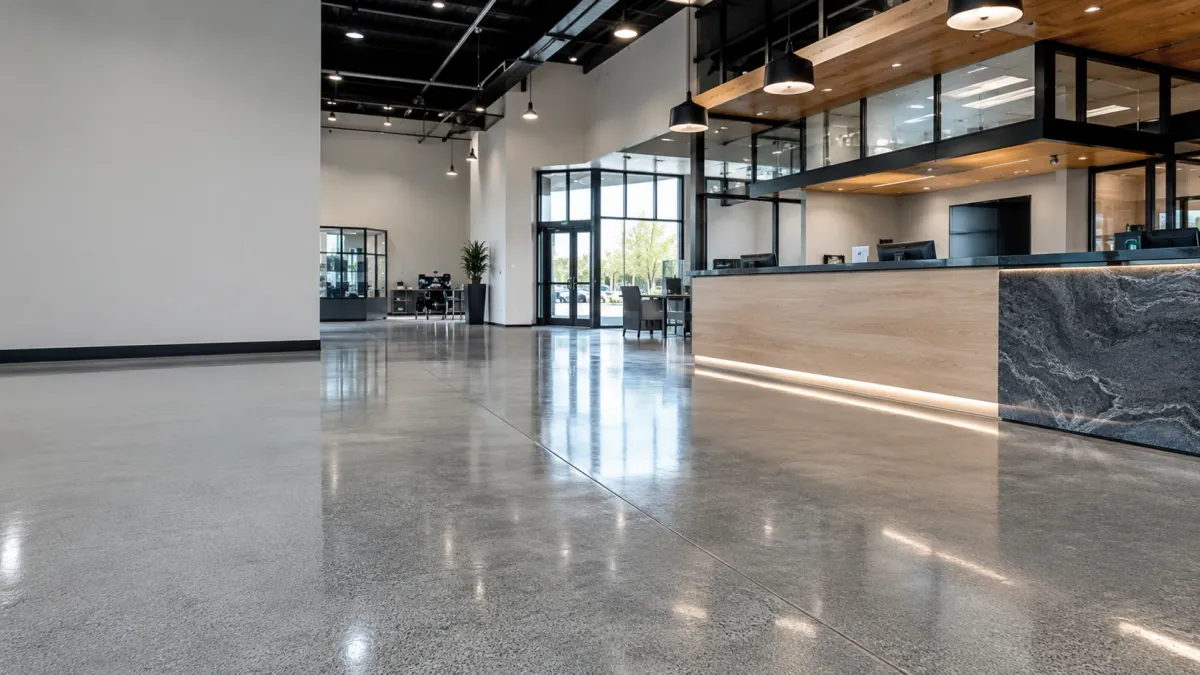
A commercial coating specification set by traffic, chemical exposure, and the hours the building runs.
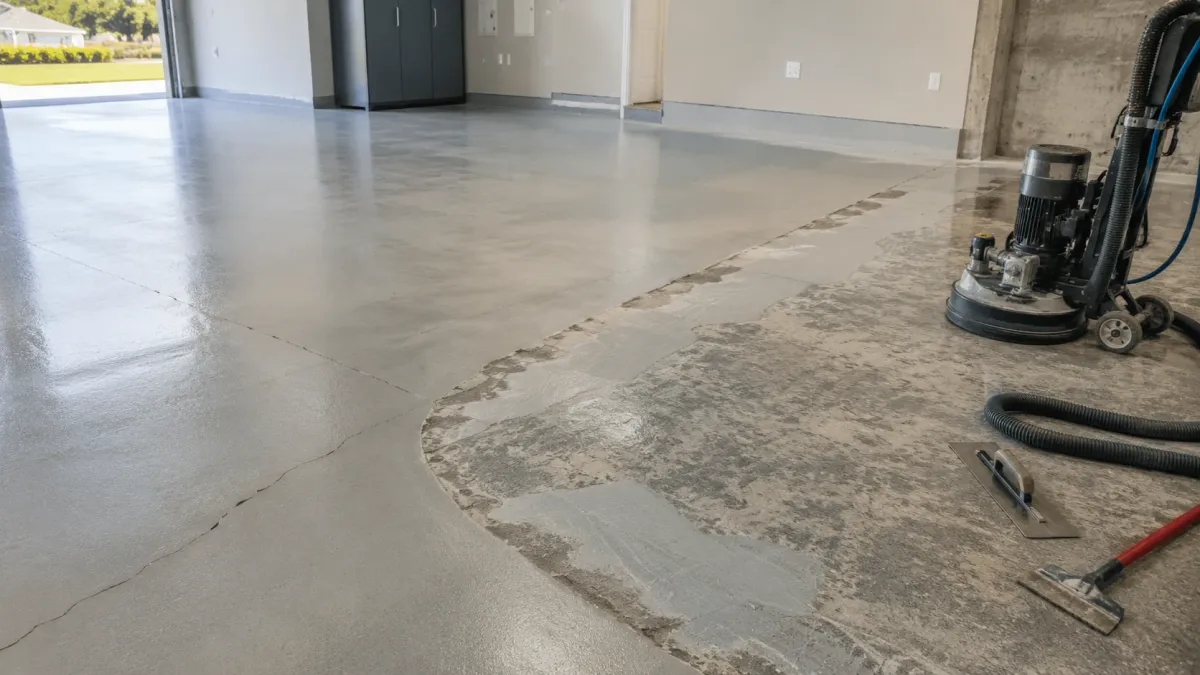
Repair work that first establishes why the existing coating failed, then fixes that cause.
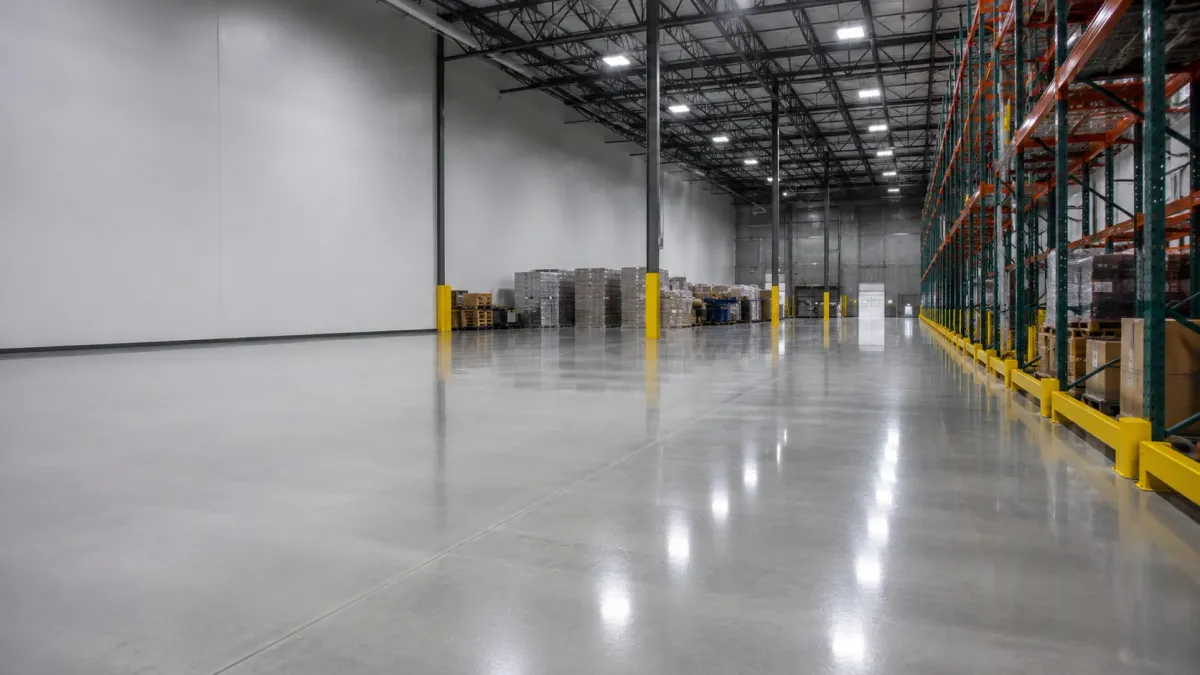
Industrial floor systems specified around wheel loading, joint movement, and washdown exposure.
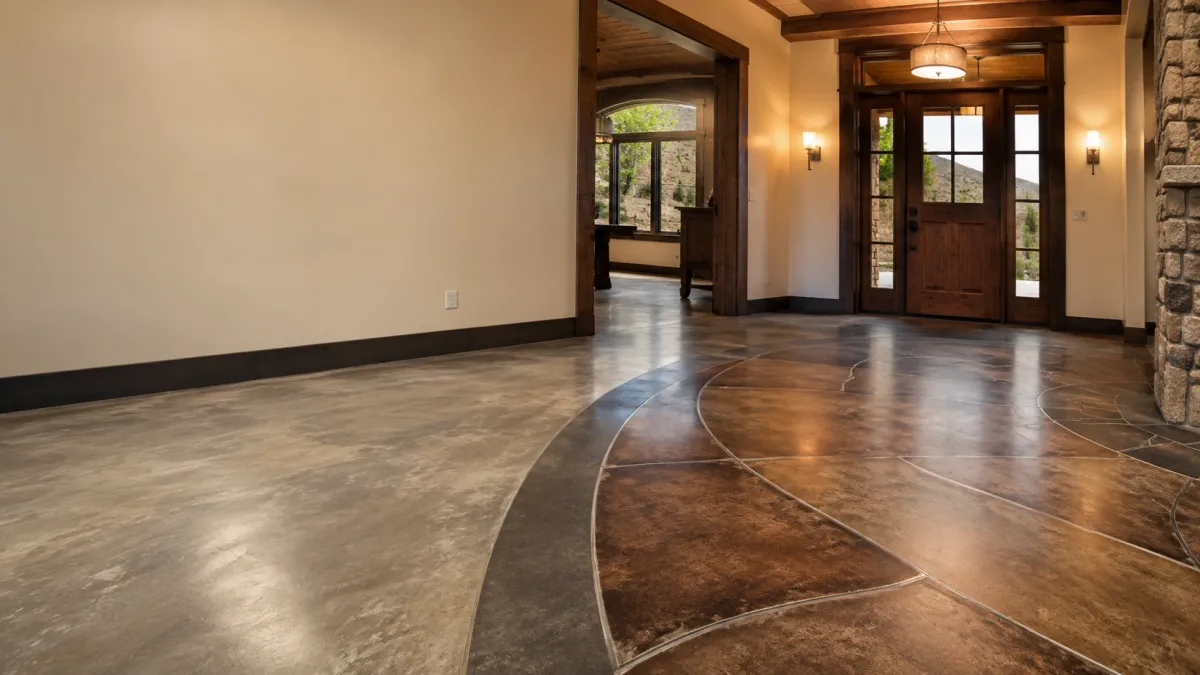
Decorative finishes chosen against slab condition, because the concrete limits what is achievable.
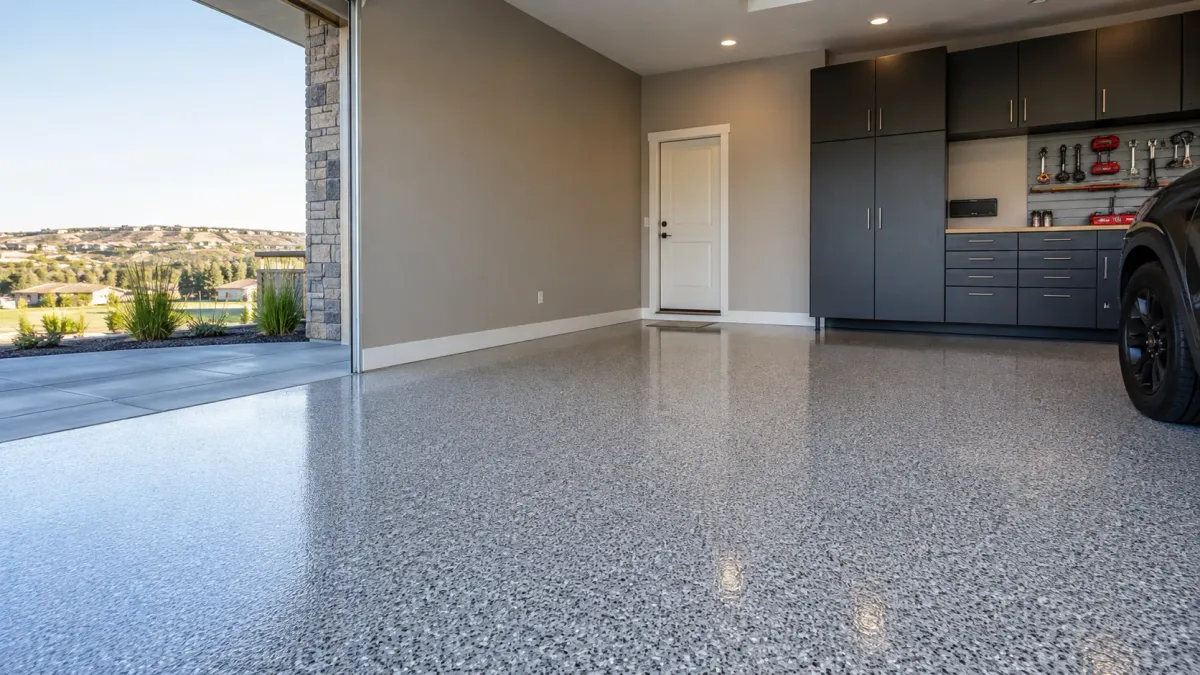
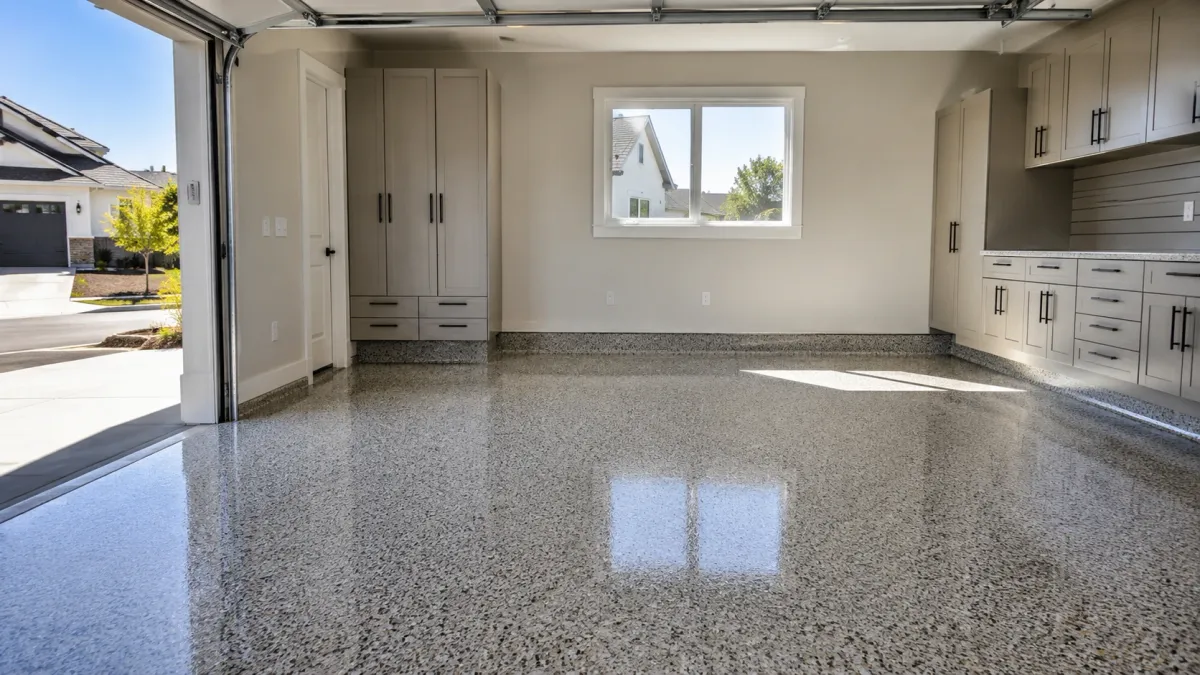
A garage system specified against hot-tire pickup, UV exposure, and slab moisture.
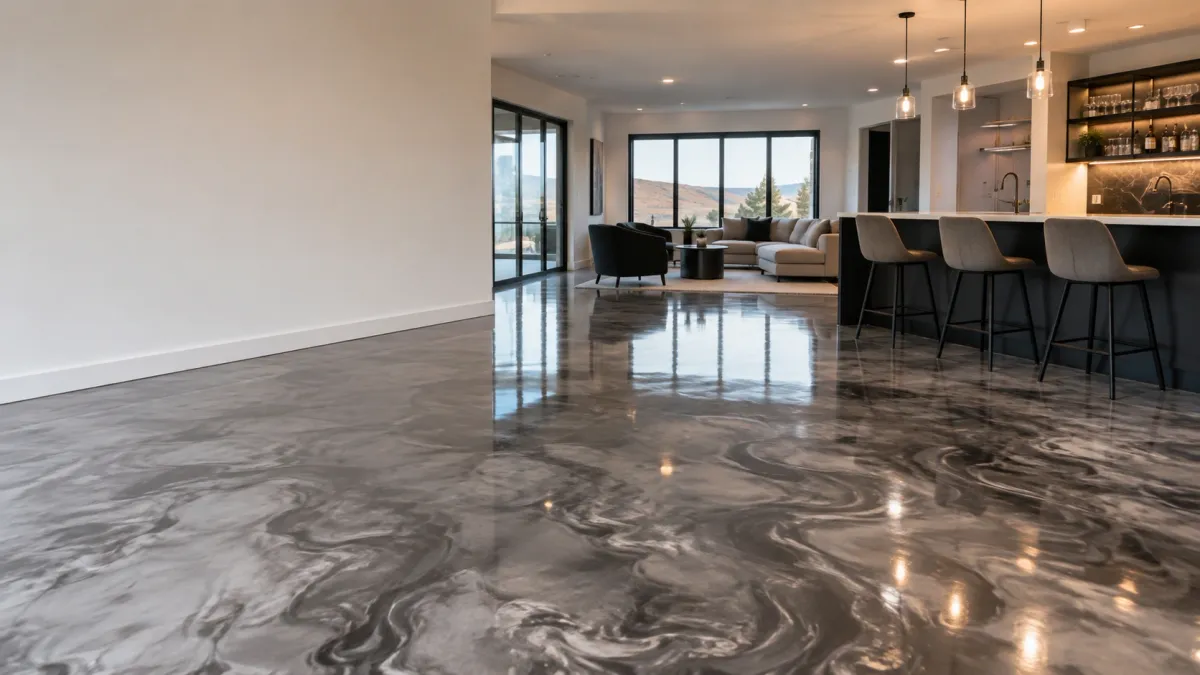
A poured metallic finish where slab flatness and installer technique set the outcome.
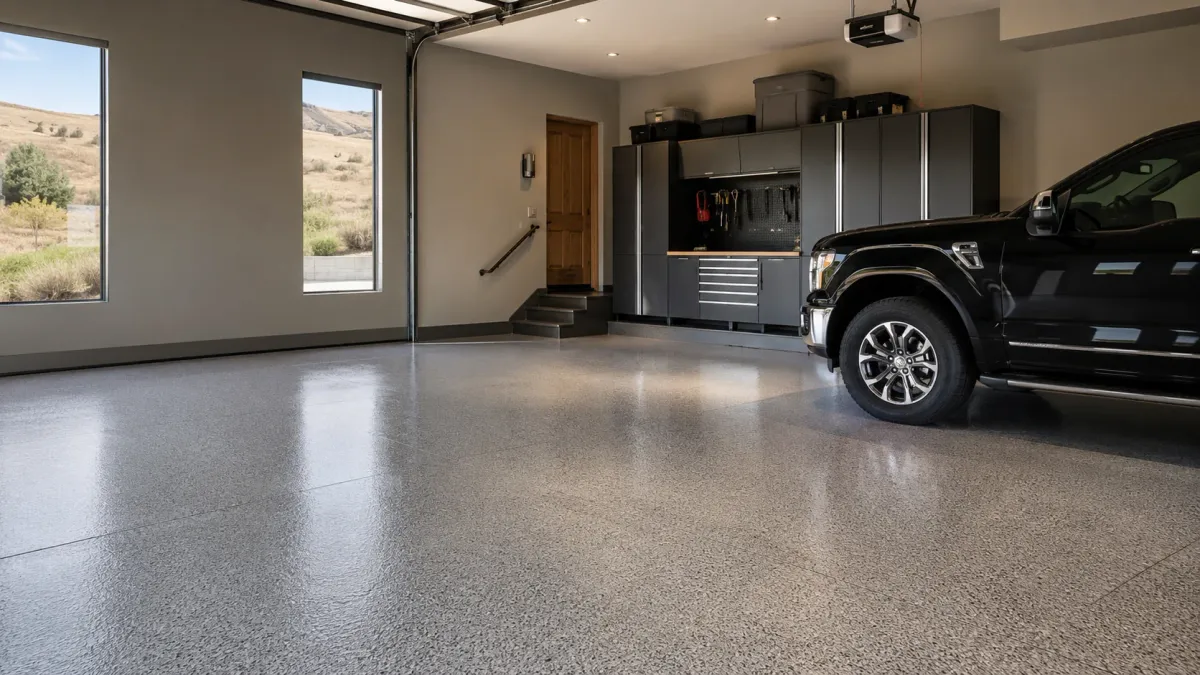
A fast-curing topcoat that holds colour under UV and returns a floor to service quickly.
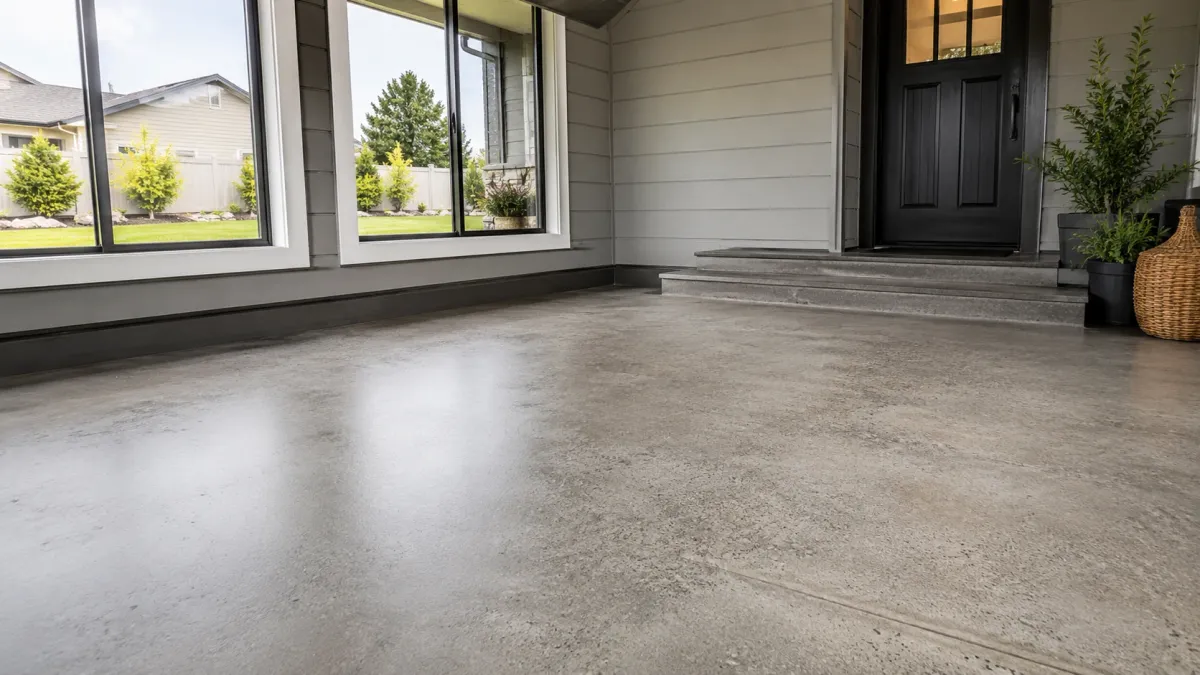
A new wearing surface bonded to a slab that is structurally sound but visually finished.
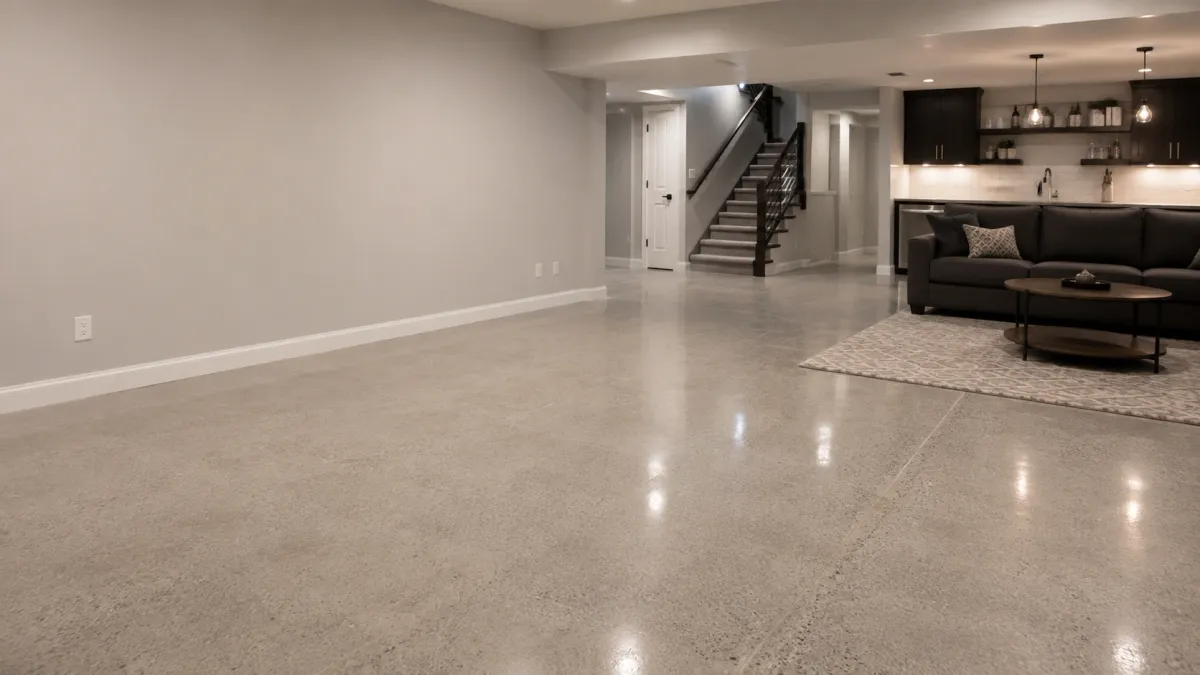
A below-grade floor system chosen after moisture testing, because vapor pressure governs it.
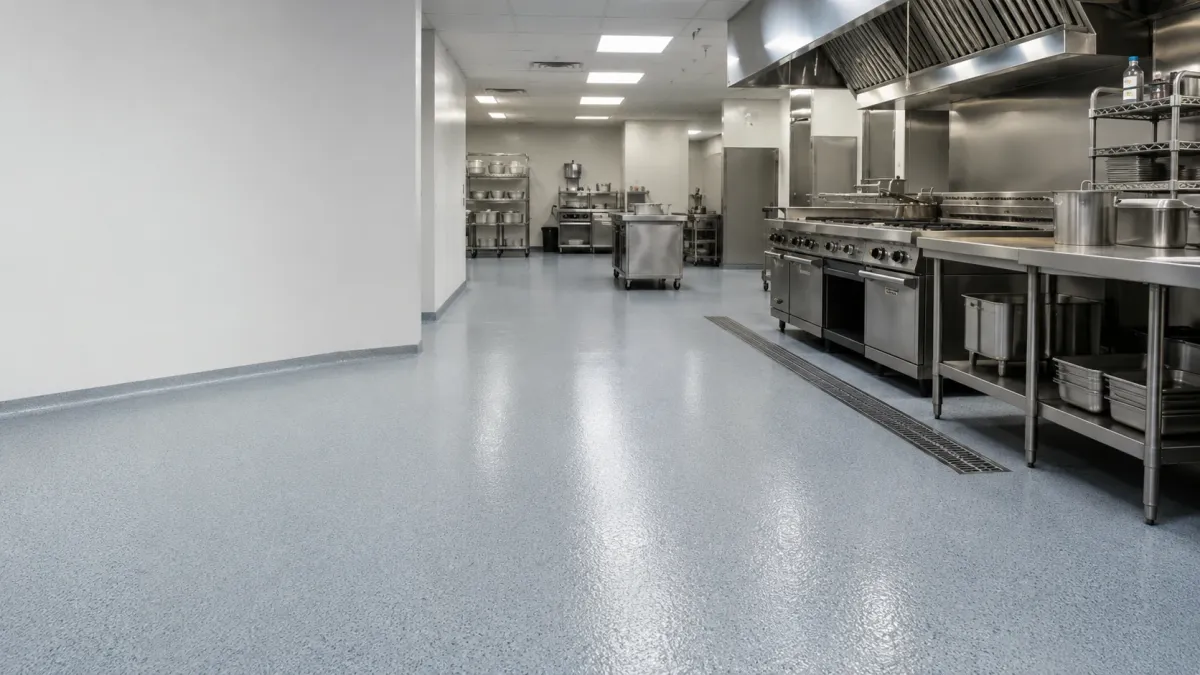
A washdown-rated floor system with coved detailing and slip resistance set to a wet kitchen.
Where We Work Across Benton and Franklin Counties
Concrete floor coatings for Kennewick homes, shops, and commercial buildings
Kennewick is the base, and the crew works out to Richland, Pasco, West Richland, Finley, Burbank, and Benton City. Permit paths, electric utilities, and housing stock all change across those lines, so each community gets its own page rather than a shared one.
Frequently Asked Questions
Epoxy Flooring can be complex, and we’re here to provide answers to common questions. Here are some frequently asked questions from our clients.
Frequently Asked Questions about epoxy flooring Kennewick WA
How much does epoxy flooring cost in Kennewick, WA?
There is no single price for an epoxy floor in Kennewick. Cost follows the square footage, the condition of the slab underneath, how much crack and joint repair the concrete needs first, and which coating system the room actually calls for. A clean two-car garage and a warehouse slab with spalling and old coating residue are not comparable jobs. We measure and test the floor, then price the scope we found.
Can epoxy floors be installed year-round in Kennewick?
Yes, with the caveat that the slab temperature governs the schedule, not the calendar. Kennewick winters run cold enough that an unheated garage slab can sit below the cure range for the coating, which either slows the cure or stops it. Summer heat does the opposite and shortens working time. We check slab temperature and dew point on the day, and in cold months we either heat the space or move to a system rated for lower temperatures.
How do I maintain an epoxy floor?
Sweep or dust-mop grit off regularly, because the Columbia Basin sends a lot of fine dust indoors and grit under a tire or a pallet jack is what actually scratches a coating. Wash with a neutral-pH cleaner rather than a degreaser. Avoid dragging steel across the surface, and put a mat under any vehicle that gets driven in hot. A garage floor treated this way stays serviceable for many years before it needs a recoat.
What is the best floor coating for a Kennewick garage?
For most Kennewick garages the answer is a ground and primed slab with an epoxy build coat and a polyaspartic or polyurea topcoat. That combination handles hot-tire pickup, resists the UV that comes through an open overhead door, and cures fast enough to return the space to service quickly. A single-coat epoxy is cheaper and will do in a low-traffic bay. Which one suits your garage depends on what you park and how much sun the door lets in.
What are the types of epoxy flooring?
The common systems are solid-color epoxy, flake or chip broadcast systems, quartz broadcast, metallic epoxy, and self-leveling epoxy. Above those sit polyaspartic and polyurea topcoats and, for wet commercial rooms, urethane cement. They differ in thickness, slip resistance, chemical resistance, and how much of the slab beneath they hide. The room decides which one fits, not the sample board.
How long does epoxy flooring last in a garage?
A properly prepared garage floor coating commonly lasts many years before it needs attention, and the deciding factor is almost always the preparation rather than the product. Coatings that fail early usually failed at the bond line because the slab was etched rather than ground, or because moisture was still moving up through the concrete. Traffic, hot tires, and how much direct sun the floor takes then set the pace of ordinary wear.
Frequently Asked Questions about Warehouse Floor Coating
Is epoxy flooring good for a warehouse?
Yes, provided the system is built for the loading and the joints are treated separately. Epoxy handles the abrasion and point loading of forklift traffic well, and it takes line marking cleanly. What fails in warehouses is not usually the epoxy itself but a thin film build in the traffic aisles and untreated joint edges breaking down under hard wheels.
How much does a warehouse epoxy floor cost?
Warehouse pricing follows square footage, the state of the joints, the film build the traffic requires, and how much line marking the layout needs. Joint repair is frequently the largest single line and it is invisible until we survey. We price after walking the slab with your racking plan in hand.
Can the warehouse stay operational during coating?
In most buildings yes, working bay by bay around your racking and stock movement. Each section is contained, prepared, coated, and cured before we move on. It extends the overall programme, so we set the phasing with your operations lead and give you the sequence in writing before starting.
Do you mark aisles and traffic lanes?
Yes, and the marking goes into the coating build rather than being painted on top afterward, so forklift traffic does not scuff it off. We lay out aisles, racking bays, pedestrian walkways, and any hazard zones from your layout drawing, and confirm the setting-out on site before anything is coated.
Specify Your Kennewick Warehouse Floor
What Our Satisfied Clients Have to Say About Kennewick Epoxy Flooring
We pride ourselves on delivering great results and experiences for each client. Hear directly from home and business owners who’ve trusted us with their Epoxy Flooring needs.
The Trusted Epoxy Flooring Expert Near You
Ready to hear more about expert services at Kennewick Epoxy Flooring?
Contact us today to receive a detailed, no-obligation quote.
Serving Canyon Lakes, Southridge, Creekstone, Hansen Park, West Highlands, Metaline & Greater Kennewick
Mon–Fri 8AM–5PM | Sat 9AM–2PM | Sun Closed


