Epoxy Flooring in Richland, WA
Horn Rapids Industrial Floors
Richland splits into two very different floor coating markets and the dividing line is the age of the concrete. Horn Rapids Industrial Park on the east side is where the commercial work is, and those slabs are power-troweled, generally flat, and carrying real wheel loading from distribution and light manufacturing operations. They need mechanical preparation and a film build set against forklift traffic, with the saw-cut joints treated as their own scope. The other Richland is the original town, where the alphabet houses built through the Atomic City years from the 1940s to the 1960s still make up much of the housing stock. Those garage slabs were poured without a vapor barrier as a matter of course, which means moisture testing is not optional before anything is coated. Newer construction in Queensgate and out toward Badger Mountain from the 2000s onward has barriers under the slab and tests clean far more often. Electric service here is Richland Energy Services, the city's own utility rather than a county PUD, and permits route through the city's Development Services Building Division rather than through Benton County.
Coating Atomic City Era Garage Slabs
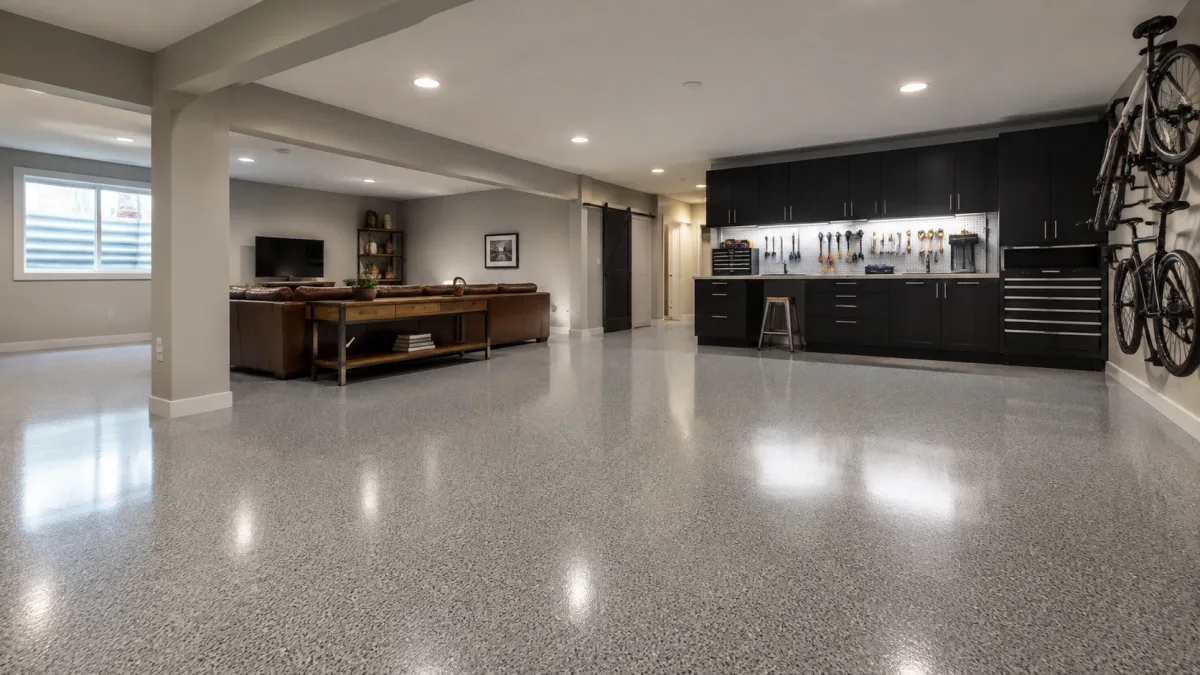
The practical consequence is that a Richland quote depends on which half of the city the property sits in. On an alphabet house garage from the 1950s, we assume moisture is present until testing says otherwise, and we price a moisture-tolerant primer as a possibility rather than a surprise. Those slabs are also often smaller and lower-ceilinged than modern garages, which changes the ventilation plan during cure. Out in Queensgate and the newer Badger Mountain plats the slabs are larger, flatter, and usually dry, so the conversation moves on to finish and topcoat much faster. Commercial work at Horn Rapids brings a third set of questions entirely, mostly about phasing around operations and how much joint repair the racking aisles need before coating.
Warehouse and Distribution Slabs
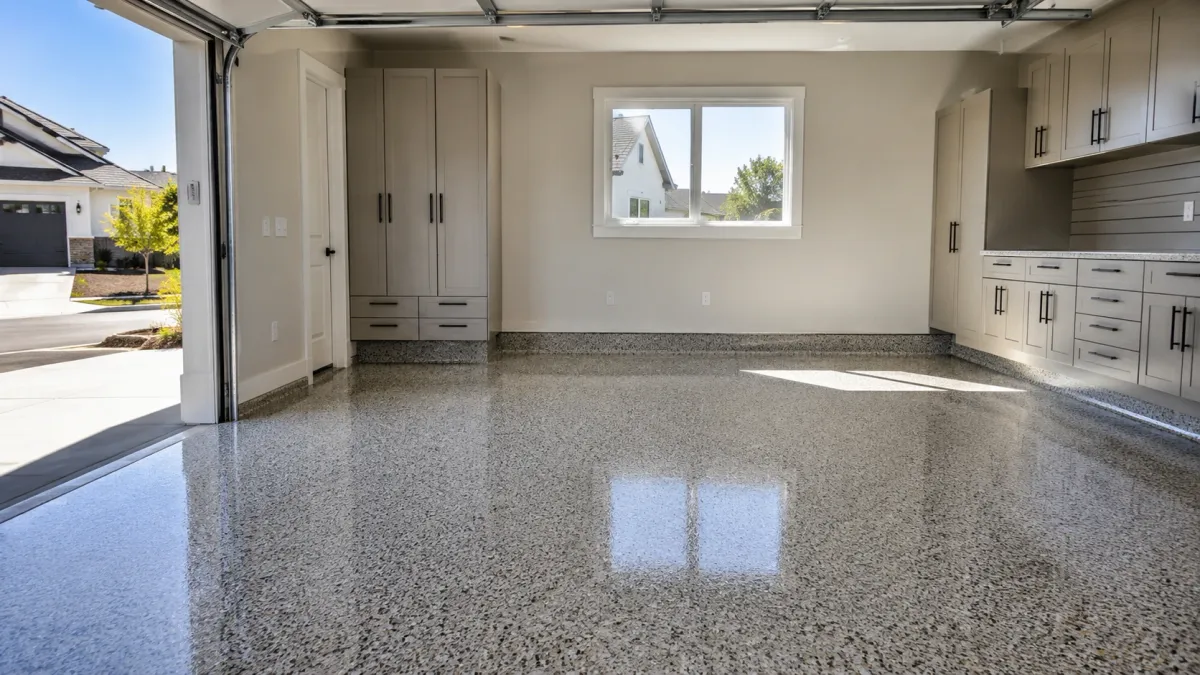
Commercial epoxy flooring in Richland concentrates around Horn Rapids Industrial Park, where distribution and light manufacturing tenants run slabs that were laid for load rather than appearance. The survey there focuses on joint condition first, because hard-wheeled traffic breaks down saw-cut edges before it wears the field of the slab, and a coating alone will not arrest that. We check what previous coatings or curing compounds are present, since Horn Rapids buildings have often changed tenants and each fit-out left something behind. Phasing matters more here than in a retail unit, because these are working buildings with stock movement and racking that cannot simply be cleared. We section the floor around your operations and give you the sequence in writing before starting. Commercial permitting in Richland runs through the city's Development Services Building Division, which is a different path from the county route that applies out in the unincorporated areas nearby.
Alphabet House Garages and Carports
Epoxy floor repair in Richland has a distinct pattern in the older housing. Coatings applied to alphabet house garage slabs from the Atomic City era frequently fail by blistering rather than peeling, because those slabs were poured before under-slab vapor barriers were routine and they keep transmitting moisture upward. A coating trapped that vapor, the pressure built, and the film lifted into domes. Recoating over the top reproduces the failure. We test moisture on any Richland repair in that housing stock before quoting, and where the readings are high the correct answer involves a vapor-barrier primer rather than a better topcoat. Failures in the newer Queensgate and Badger Mountain plats tend to be different, usually hot-tire pickup from an under-prepared slab. Same visible outcome, different cause, and the diagnosis changes what the repair actually costs.
Queensgate and Badger Mountain New Builds
Warehouse floor coating in Richland is essentially a Horn Rapids conversation. The industrial park holds the distribution and manufacturing space in this city, and those floors take the point loading that decides everything about the specification. We ask for the racking plan before quoting, because the aisle layout tells us where the film build has to be heaviest and where line marking needs to go. Joint treatment is usually the largest single line on a Horn Rapids job and it is invisible until we walk the slab, so we survey before we price. Line marking goes into the coating build rather than being applied over the top afterward, which matters on a floor where forklifts turn on the same spot every day. Return-to-service dates come separately for pedestrian and forklift traffic.
Concrete floor coatings for Kennewick homes, shops, and commercial buildings
Proudly serving Kennewick, Richland, Pasco, West Richland, Finley and Burbank and Benton City for 9+ years.
Comprehensive Epoxy Flooring Services in Kennewick
Tailored to Your Needs
Ten services, from a single-bay garage coating to a warehouse slab or a winery crush pad. Each one starts the same way, by reading the concrete and establishing what it actually needs, then choosing the system that matches the traffic, the exposure, and the schedule the building runs on.
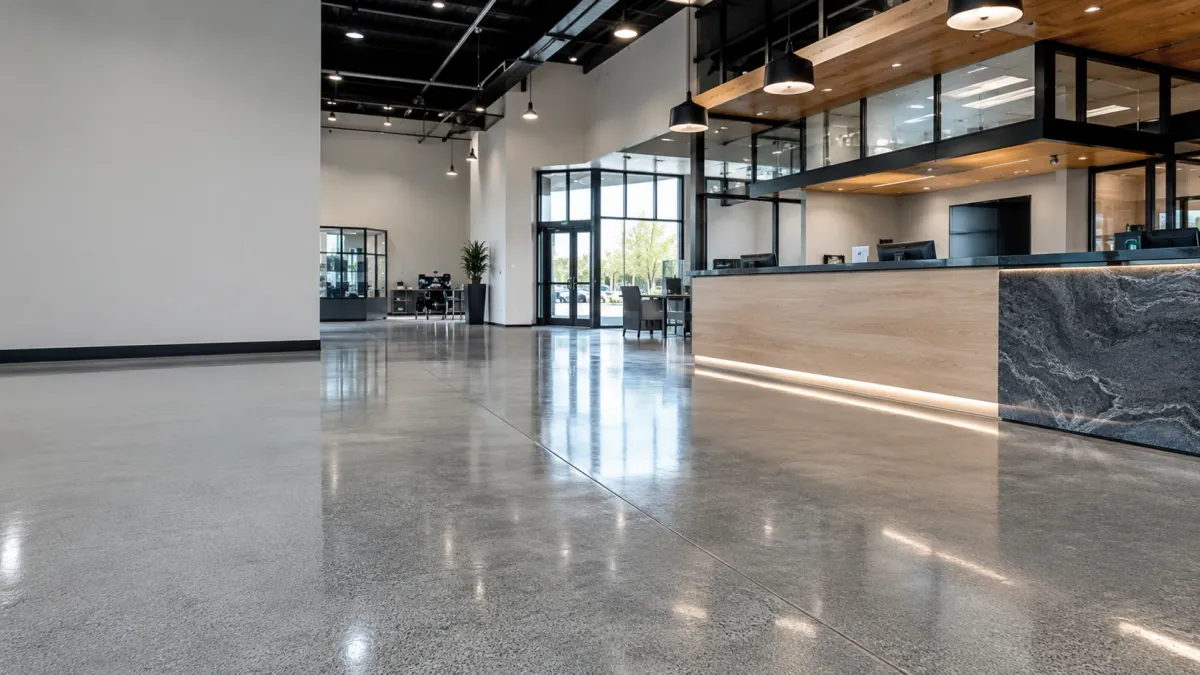
A commercial coating specification set by traffic, chemical exposure, and the hours the building runs.
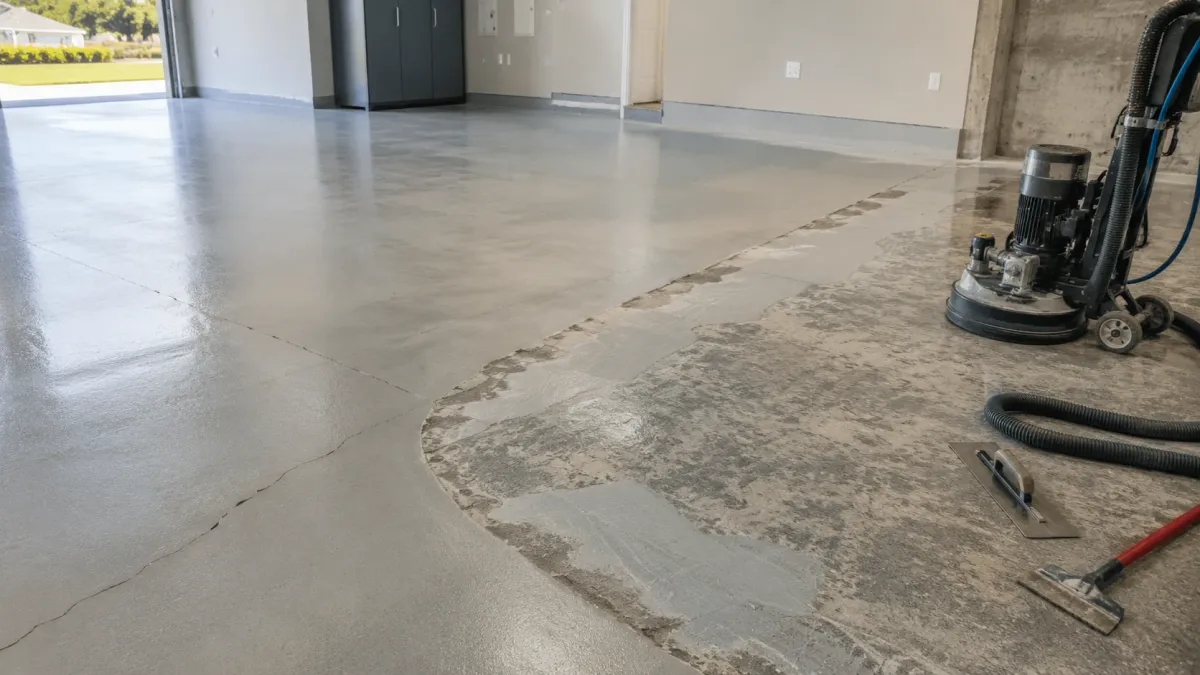
Repair work that first establishes why the existing coating failed, then fixes that cause.
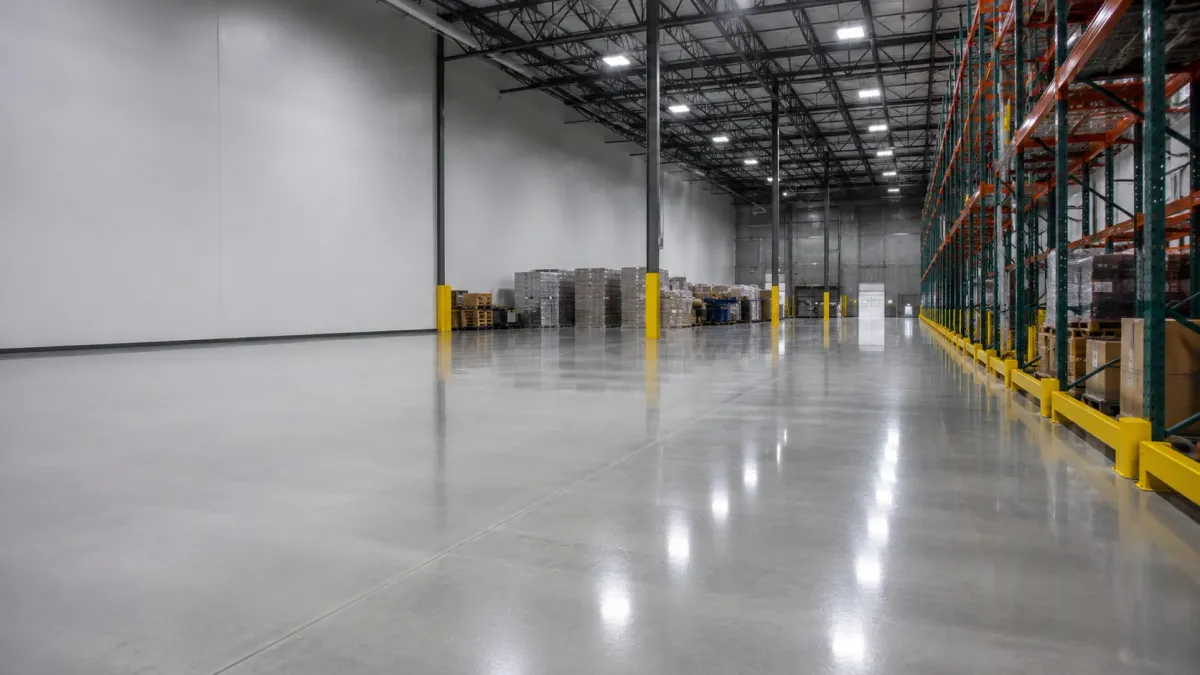
Industrial floor systems specified around wheel loading, joint movement, and washdown exposure.
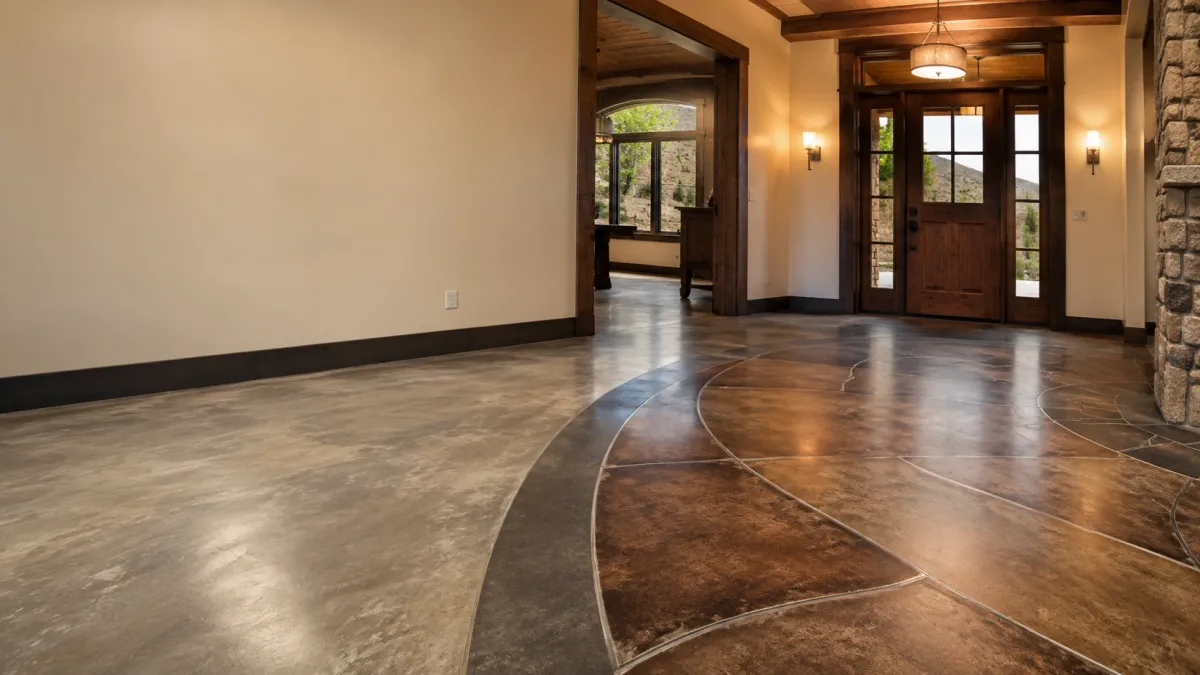
Decorative finishes chosen against slab condition, because the concrete limits what is achievable.
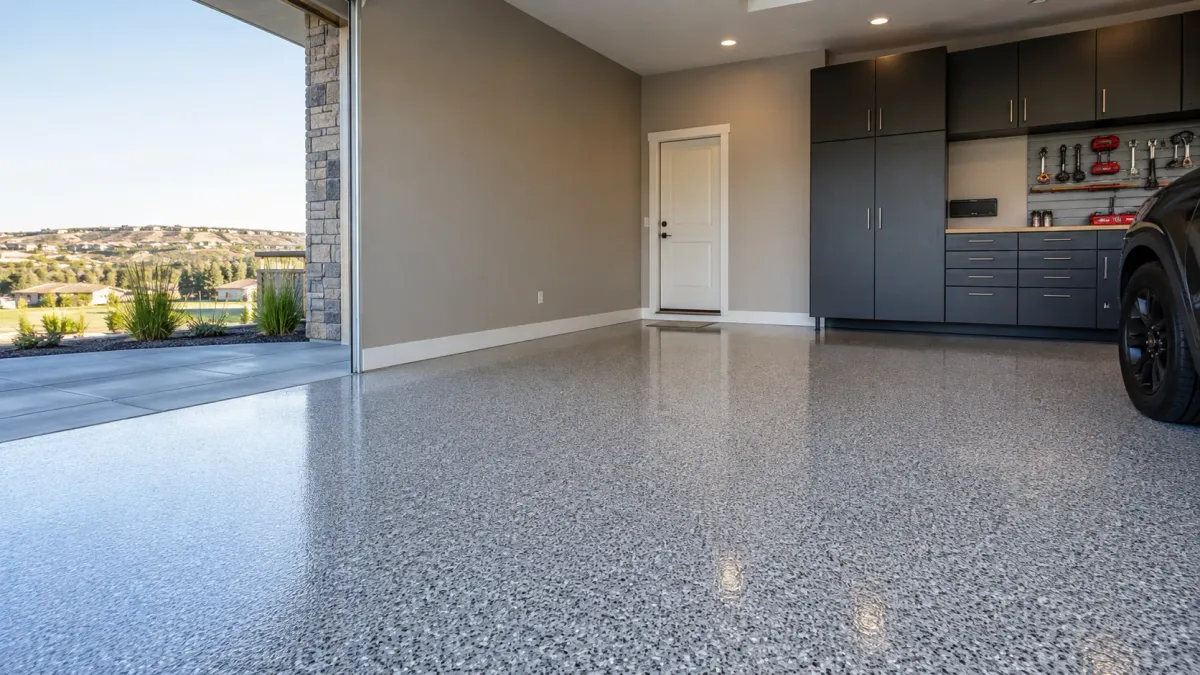
A garage system specified against hot-tire pickup, UV exposure, and slab moisture.
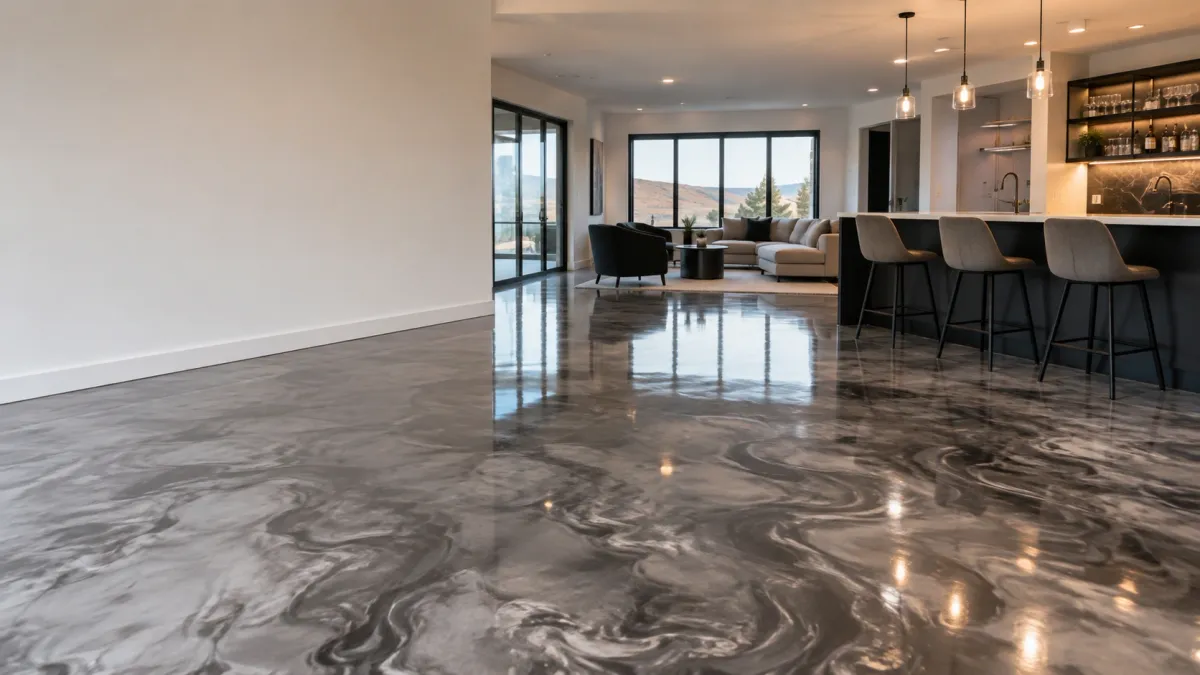
A poured metallic finish where slab flatness and installer technique set the outcome.
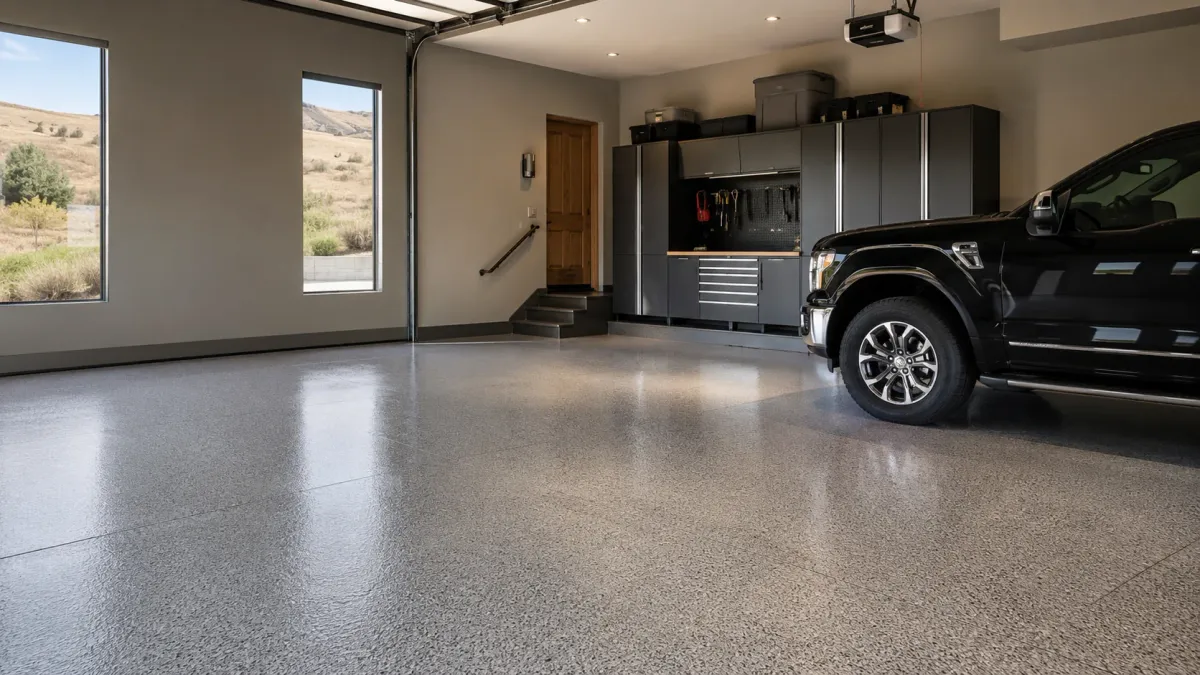
A fast-curing topcoat that holds colour under UV and returns a floor to service quickly.
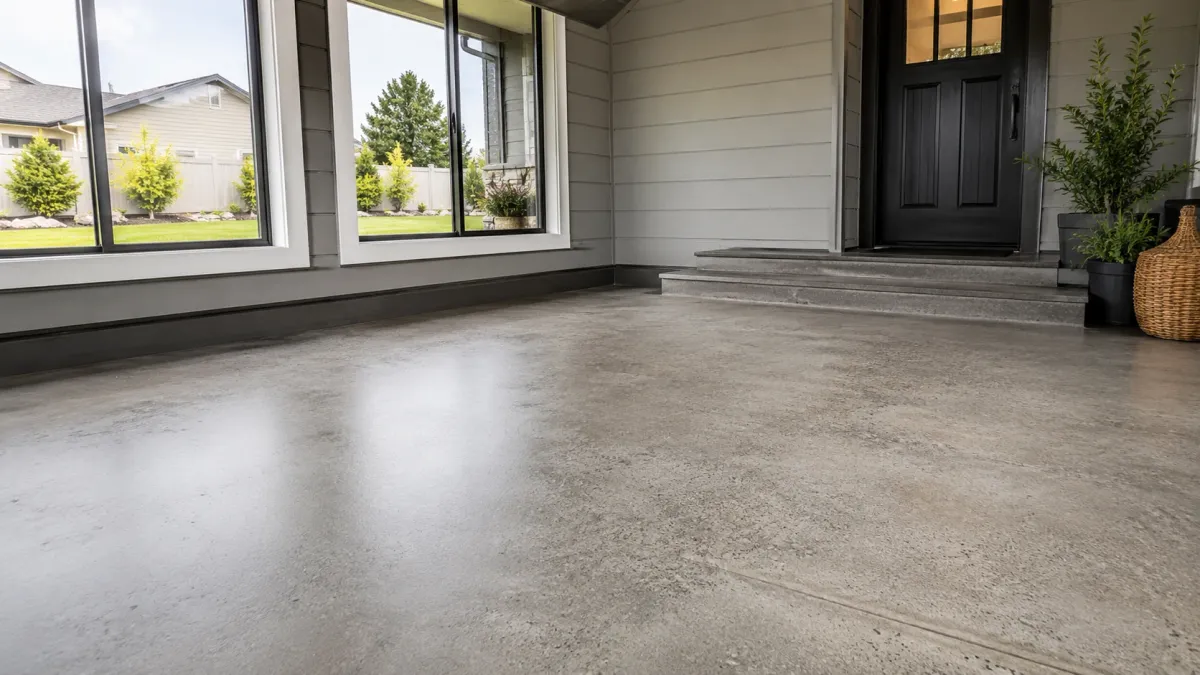
A new wearing surface bonded to a slab that is structurally sound but visually finished.
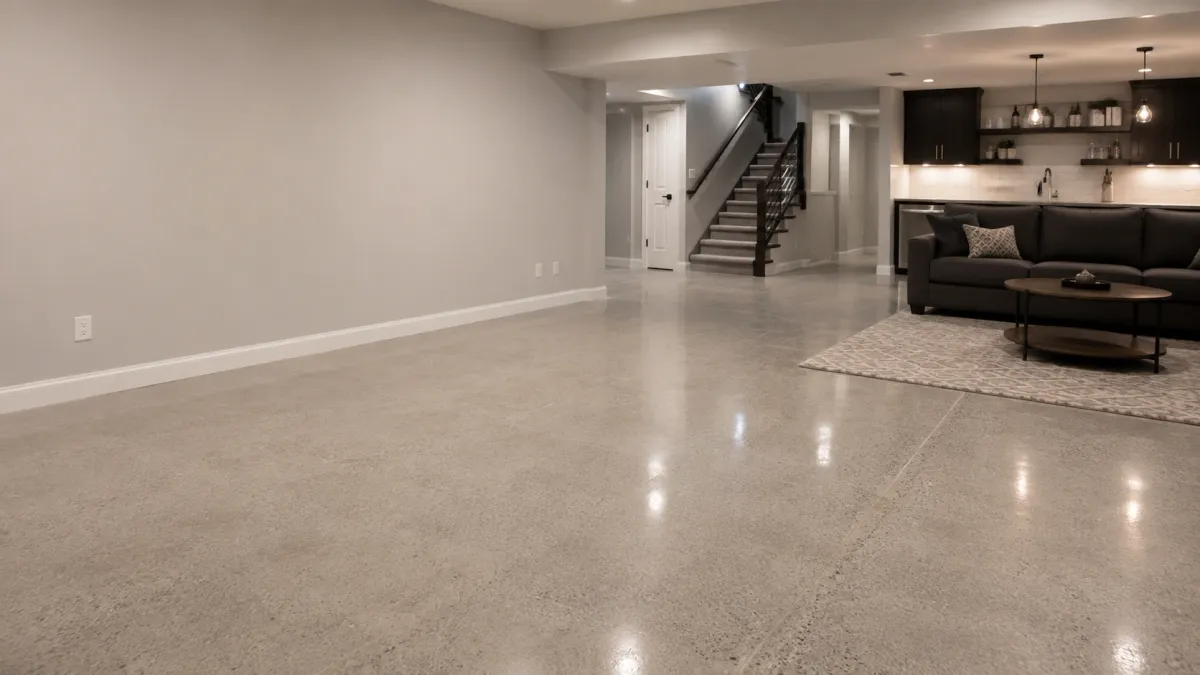
A below-grade floor system chosen after moisture testing, because vapor pressure governs it.
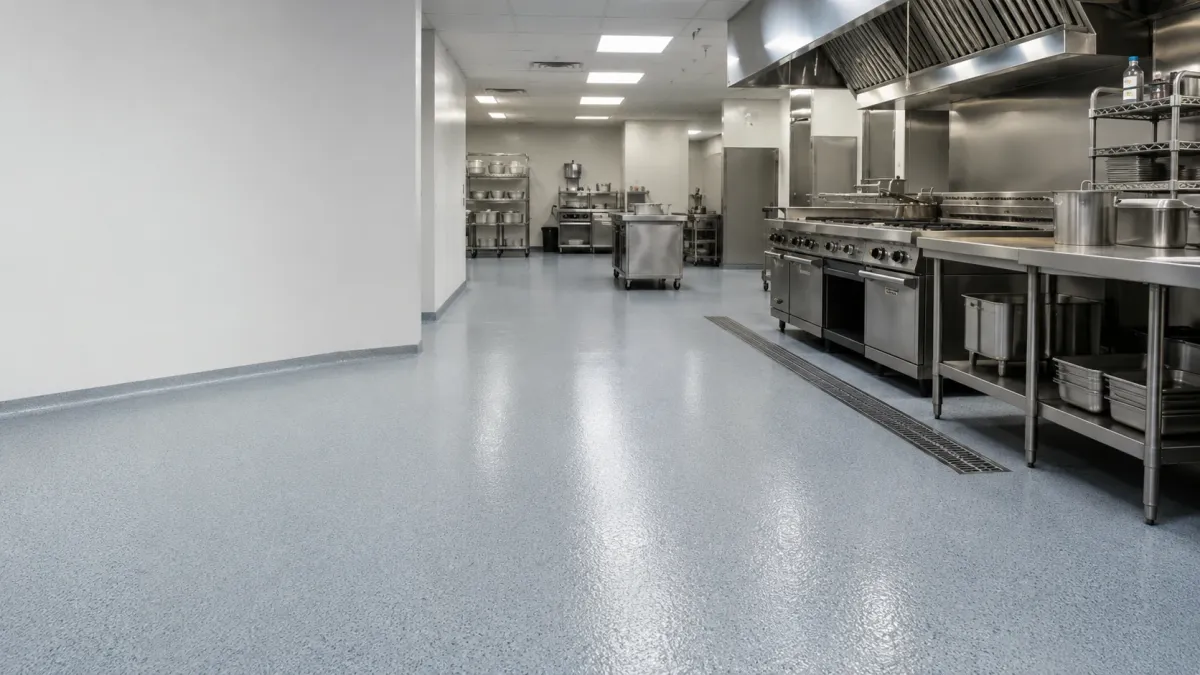
A washdown-rated floor system with coved detailing and slip resistance set to a wet kitchen.
Frequently Asked Questions
Epoxy Flooring can be complex, and we’re here to provide answers to common questions. Here are some frequently asked questions from our clients.
Frequently Asked Questions about epoxy flooring Kennewick WA
How much does epoxy flooring cost in Kennewick, WA?
There is no single price for an epoxy floor in Kennewick. Cost follows the square footage, the condition of the slab underneath, how much crack and joint repair the concrete needs first, and which coating system the room actually calls for. A clean two-car garage and a warehouse slab with spalling and old coating residue are not comparable jobs. We measure and test the floor, then price the scope we found.
Can epoxy floors be installed year-round in Kennewick?
Yes, with the caveat that the slab temperature governs the schedule, not the calendar. Kennewick winters run cold enough that an unheated garage slab can sit below the cure range for the coating, which either slows the cure or stops it. Summer heat does the opposite and shortens working time. We check slab temperature and dew point on the day, and in cold months we either heat the space or move to a system rated for lower temperatures.
How do I maintain an epoxy floor?
Sweep or dust-mop grit off regularly, because the Columbia Basin sends a lot of fine dust indoors and grit under a tire or a pallet jack is what actually scratches a coating. Wash with a neutral-pH cleaner rather than a degreaser. Avoid dragging steel across the surface, and put a mat under any vehicle that gets driven in hot. A garage floor treated this way stays serviceable for many years before it needs a recoat.
What is the best floor coating for a Kennewick garage?
For most Kennewick garages the answer is a ground and primed slab with an epoxy build coat and a polyaspartic or polyurea topcoat. That combination handles hot-tire pickup, resists the UV that comes through an open overhead door, and cures fast enough to return the space to service quickly. A single-coat epoxy is cheaper and will do in a low-traffic bay. Which one suits your garage depends on what you park and how much sun the door lets in.
What are the types of epoxy flooring?
The common systems are solid-color epoxy, flake or chip broadcast systems, quartz broadcast, metallic epoxy, and self-leveling epoxy. Above those sit polyaspartic and polyurea topcoats and, for wet commercial rooms, urethane cement. They differ in thickness, slip resistance, chemical resistance, and how much of the slab beneath they hide. The room decides which one fits, not the sample board.
How long does epoxy flooring last in a garage?
A properly prepared garage floor coating commonly lasts many years before it needs attention, and the deciding factor is almost always the preparation rather than the product. Coatings that fail early usually failed at the bond line because the slab was etched rather than ground, or because moisture was still moving up through the concrete. Traffic, hot tires, and how much direct sun the floor takes then set the pace of ordinary wear.
Still Have Questions About epoxy flooring Kennewick WA?
Speak With a Trusted Epoxy Flooring Expert Today.
What Our Satisfied Clients Have to Say About Kennewick Epoxy Flooring
We pride ourselves on delivering great results and experiences for each client. Hear directly from home and business owners who’ve trusted us with their Epoxy Flooring needs.
The Trusted Epoxy Flooring Expert Near You
Ready to hear more about expert services at Kennewick Epoxy Flooring?
Contact us today to receive a detailed, no-obligation quote.
Serving Canyon Lakes, Southridge, Creekstone, Hansen Park, West Highlands, Metaline & Greater Kennewick
Mon–Fri 8AM–5PM | Sat 9AM–2PM | Sun Closed


